Retaining Walls
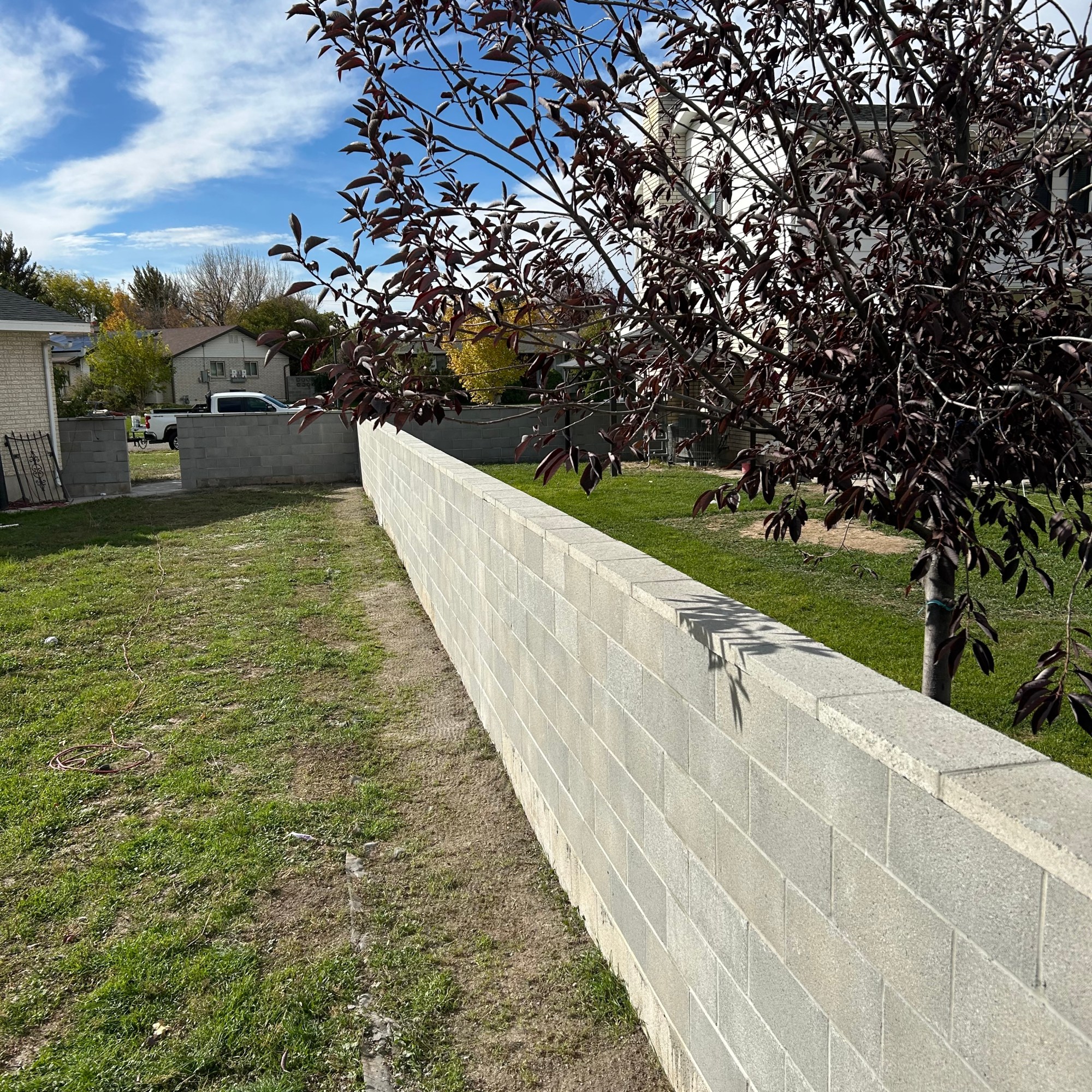
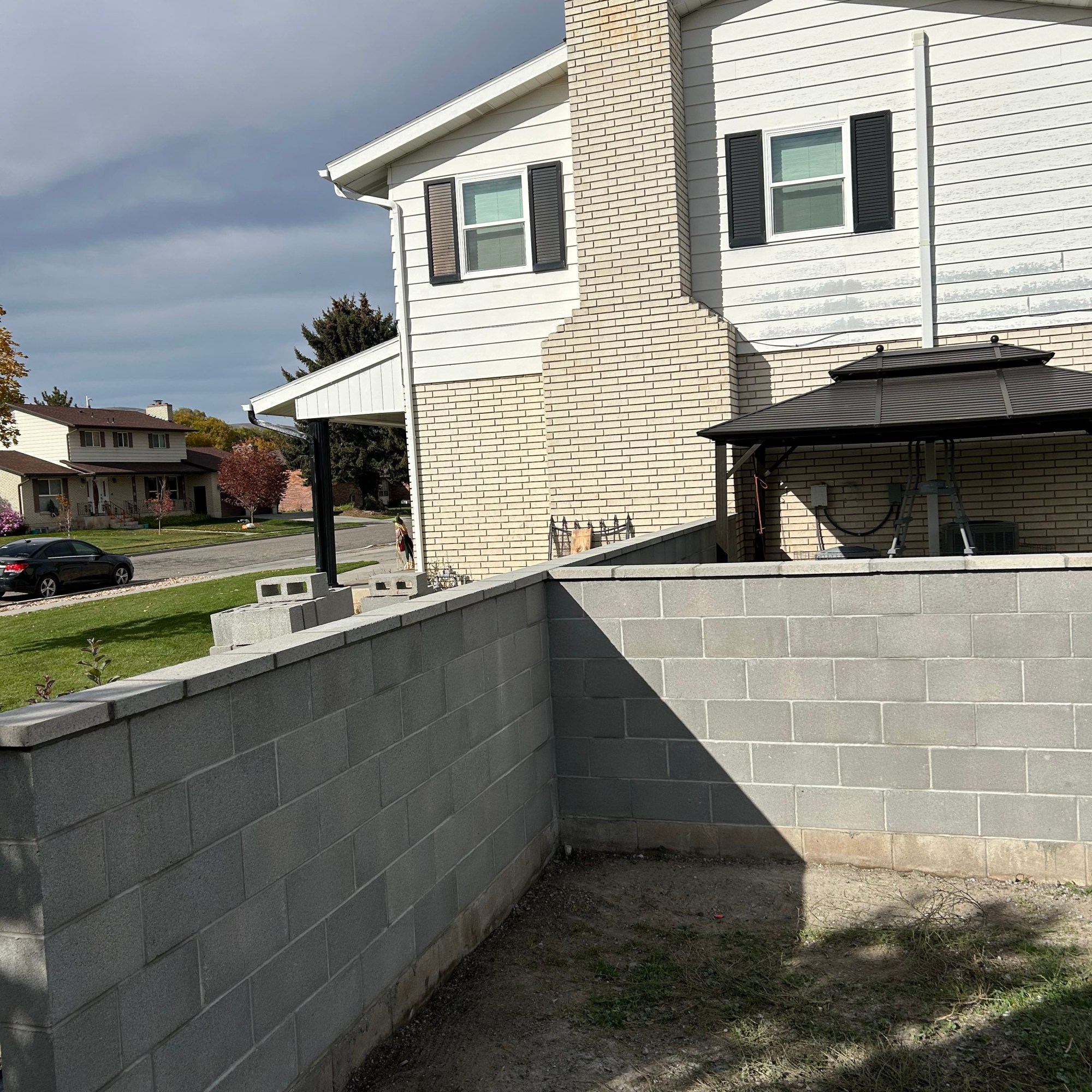
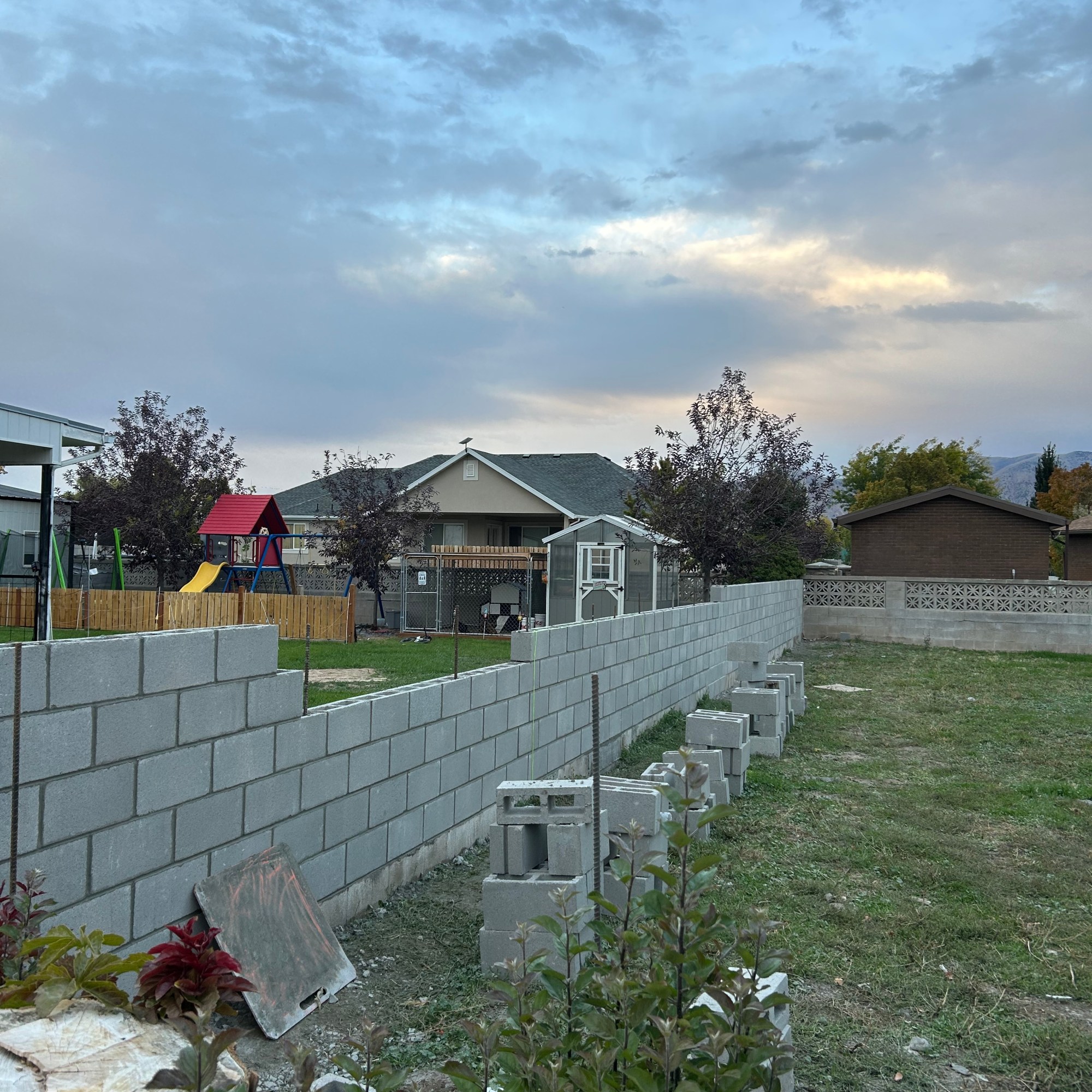
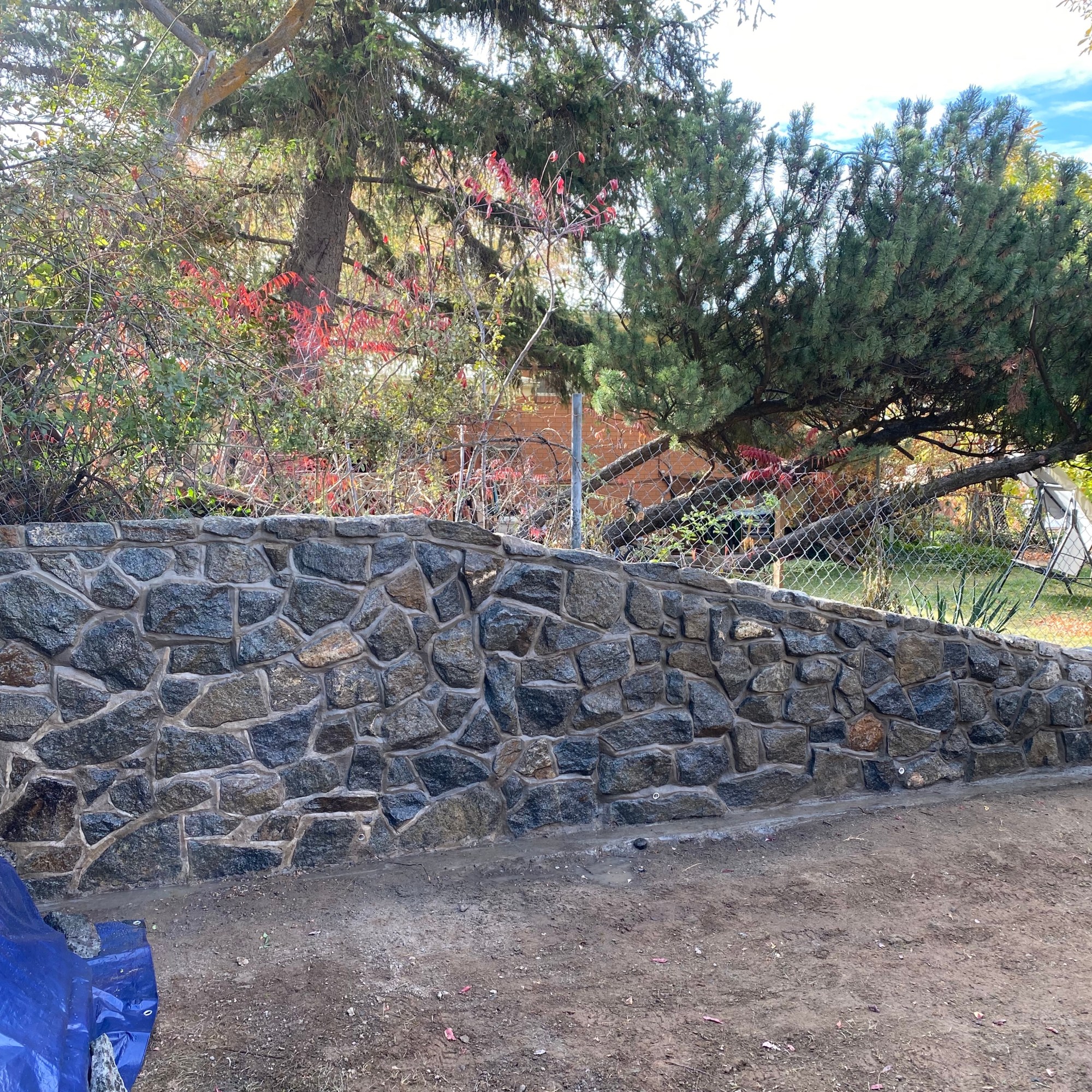
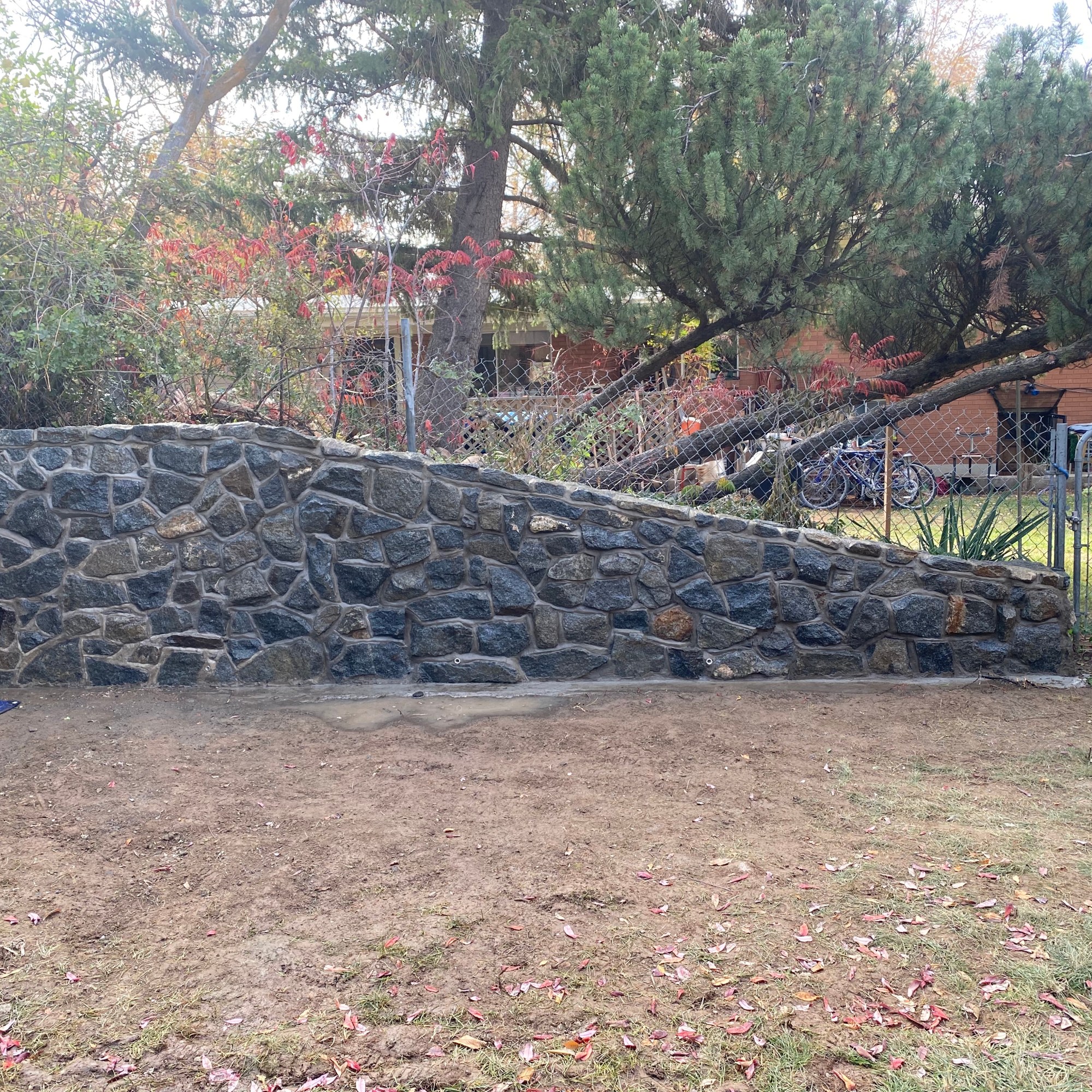
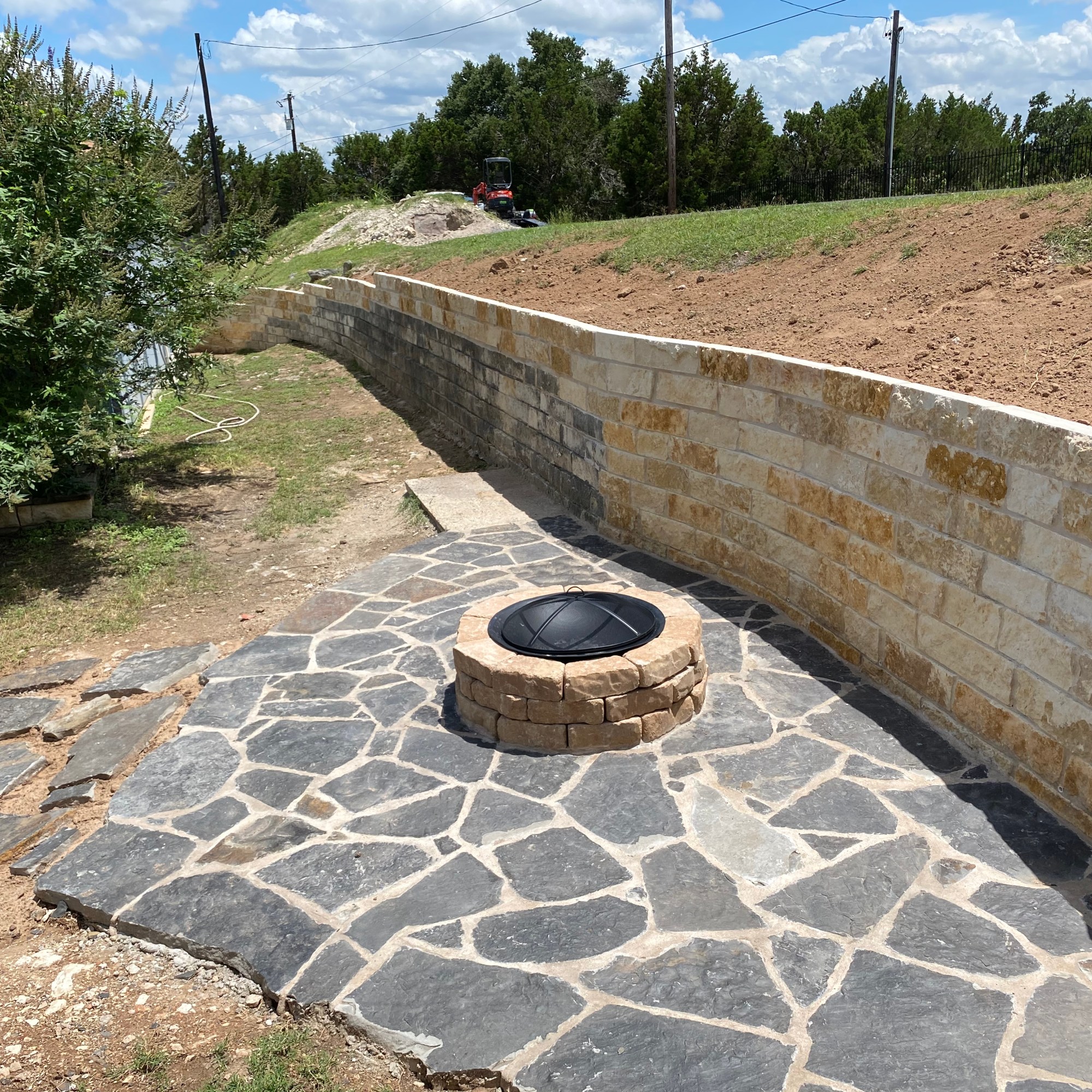
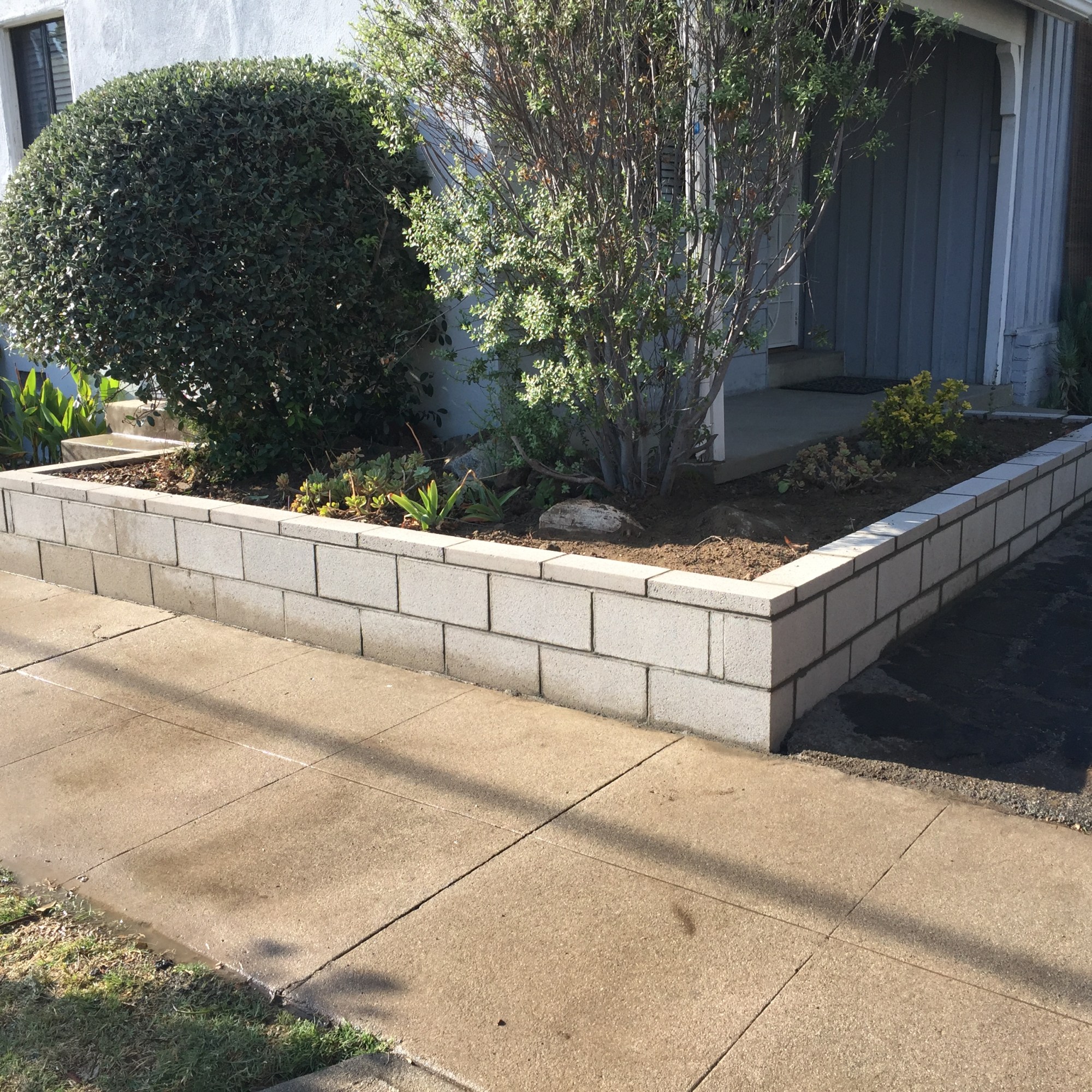
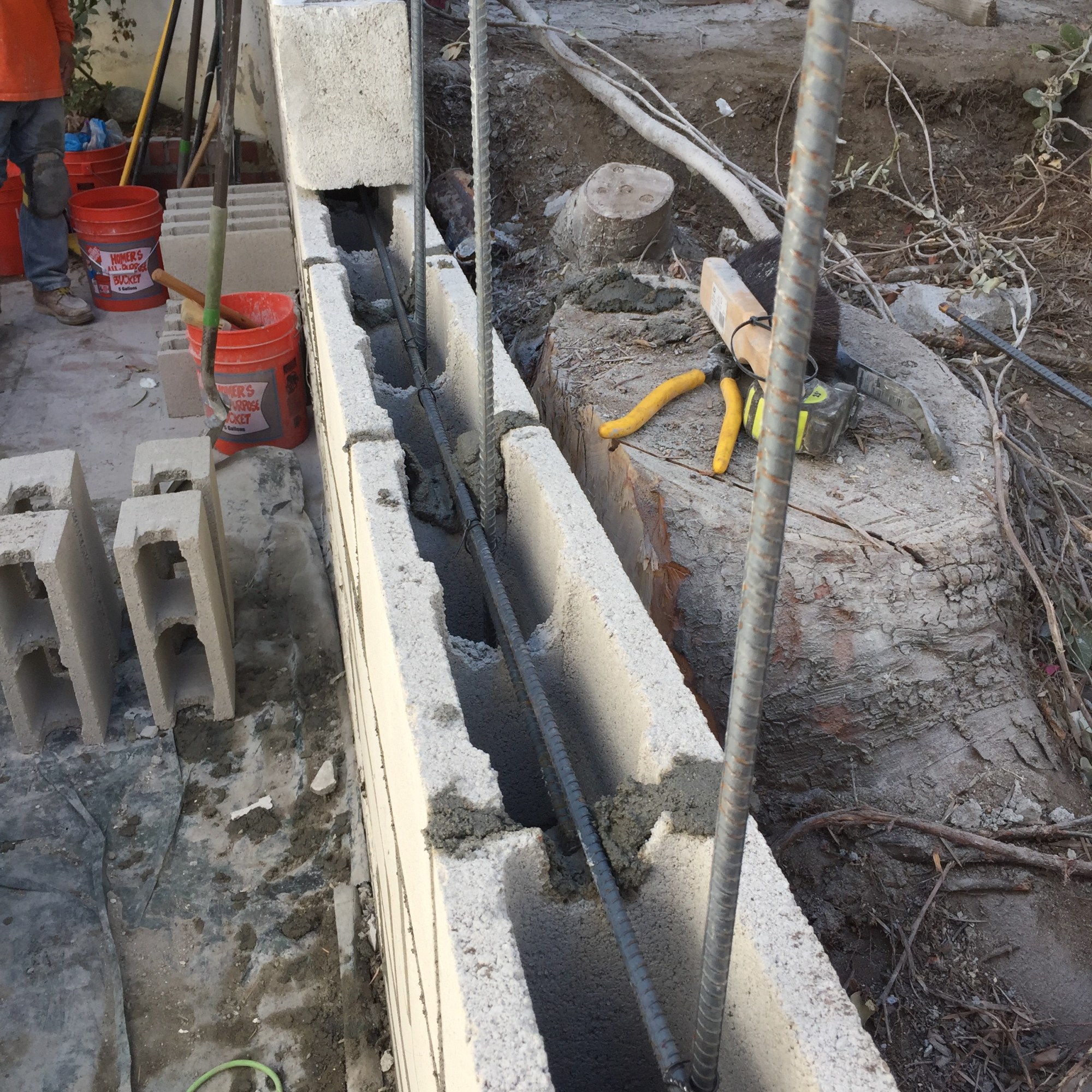
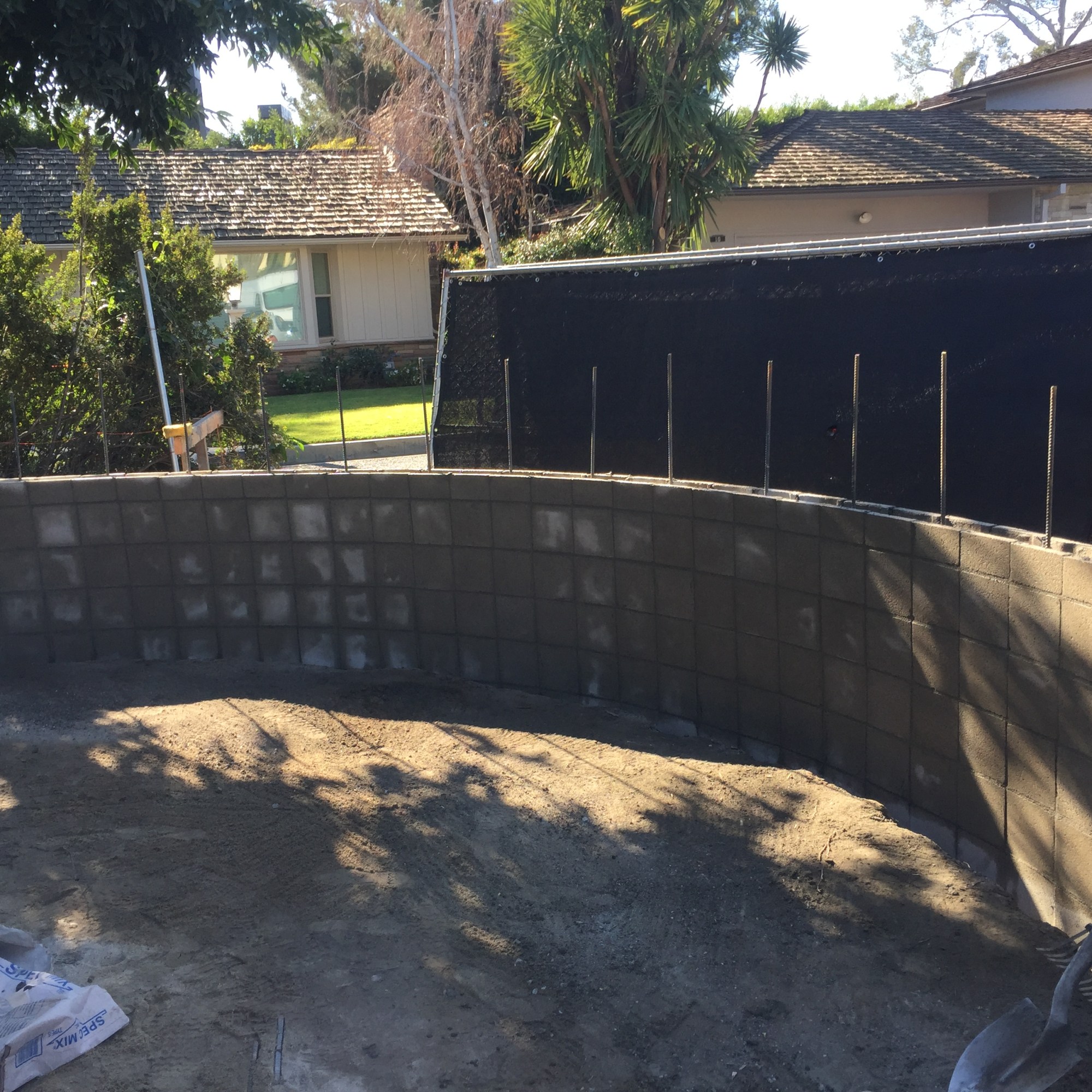
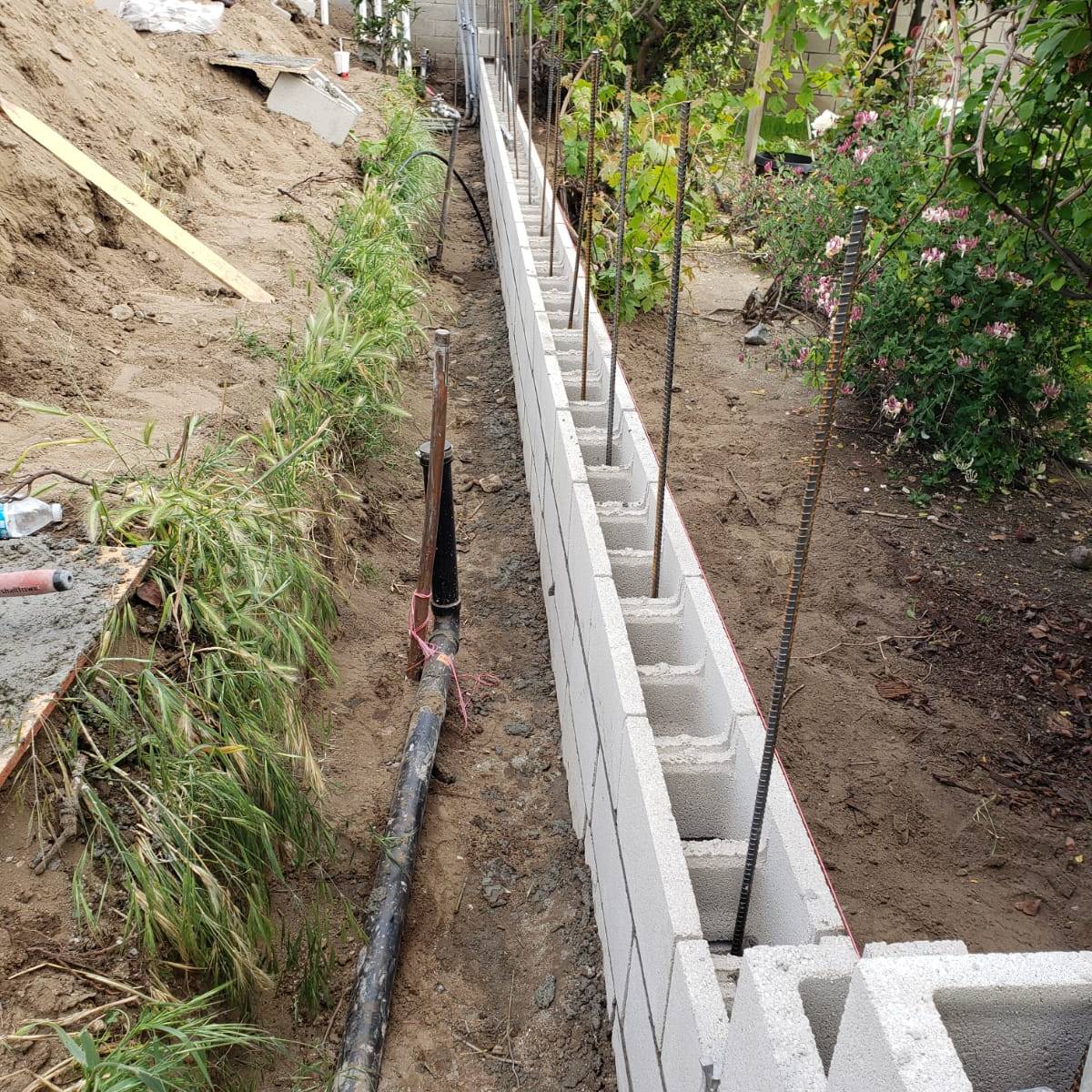
Retaining walls, unlike freestanding walls, are subject to a great deal of code regulation, and are constructed in a considerably more substantial manner. A soils engineer must analyze the soil around the wall, to determine its weight and density. After the soils report is complete, an engineer must specify the construction details based on the specific site conditions. Retaining walls call for larger footings, and often thicker rebar, and larger block. A retaining wall may be as simple as a property wall that retains two or three feet of soil, or it may be a structural wall on a hillside, retaining 40 feet of soil, and reinforced by structural piles drilled 50 feet into the ground.
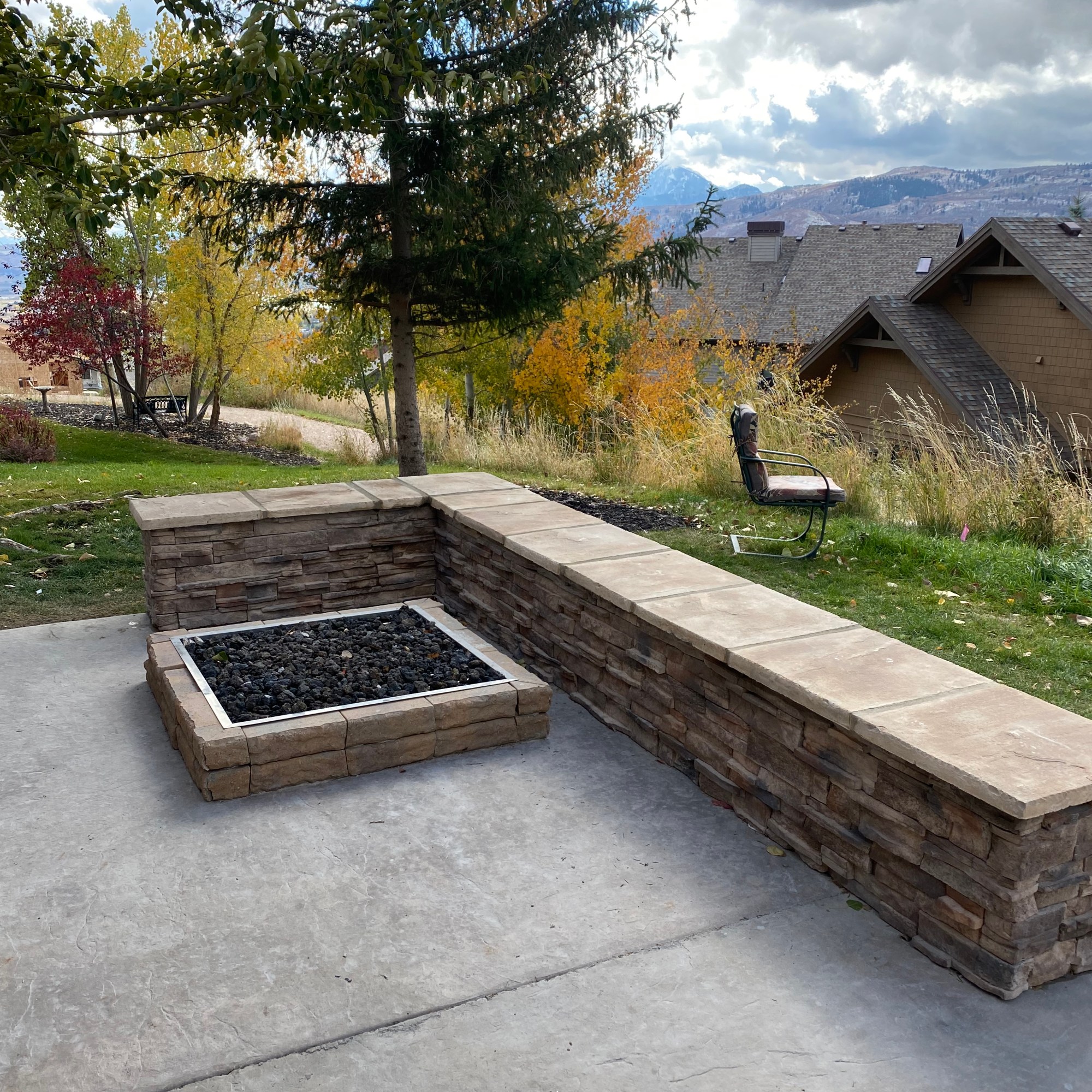
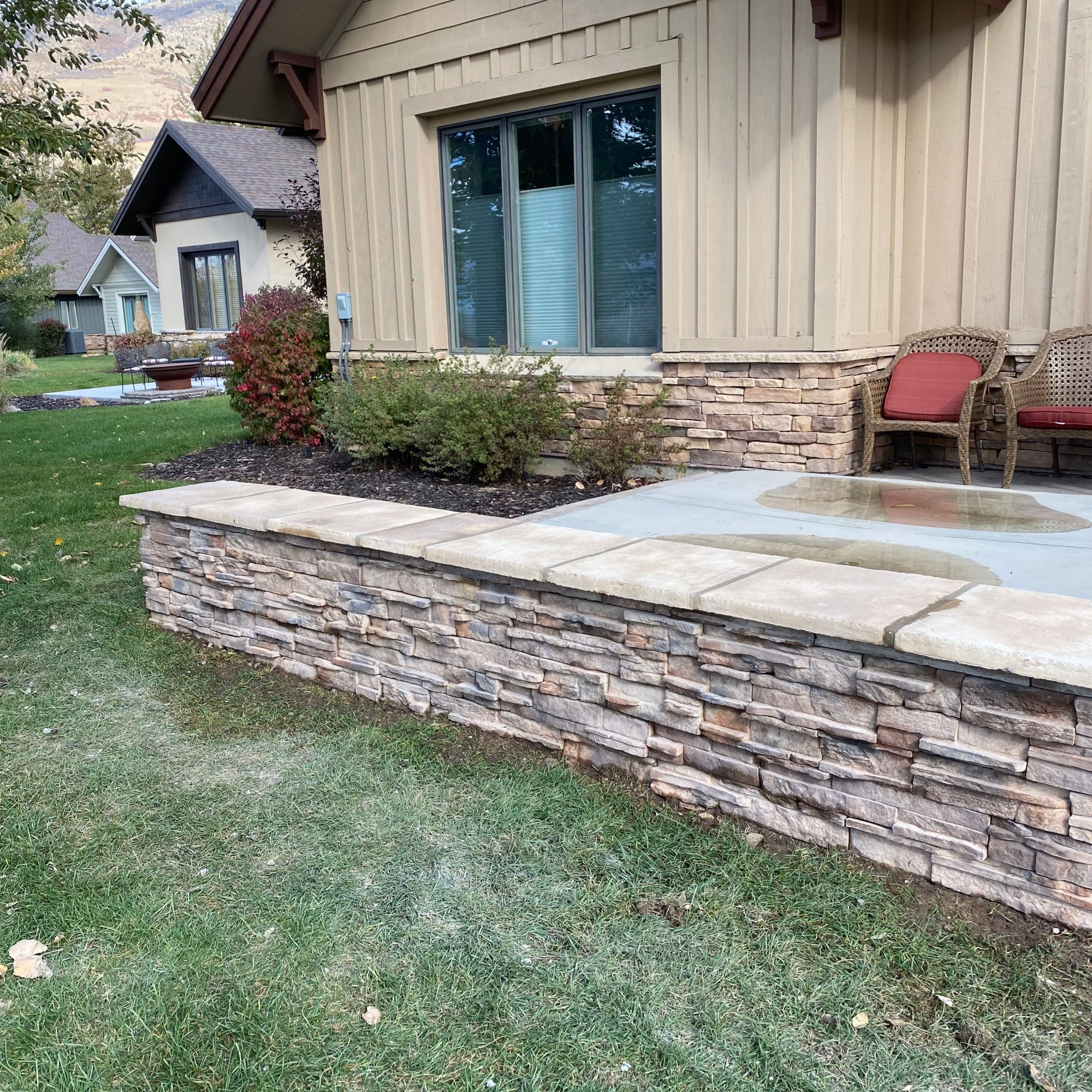
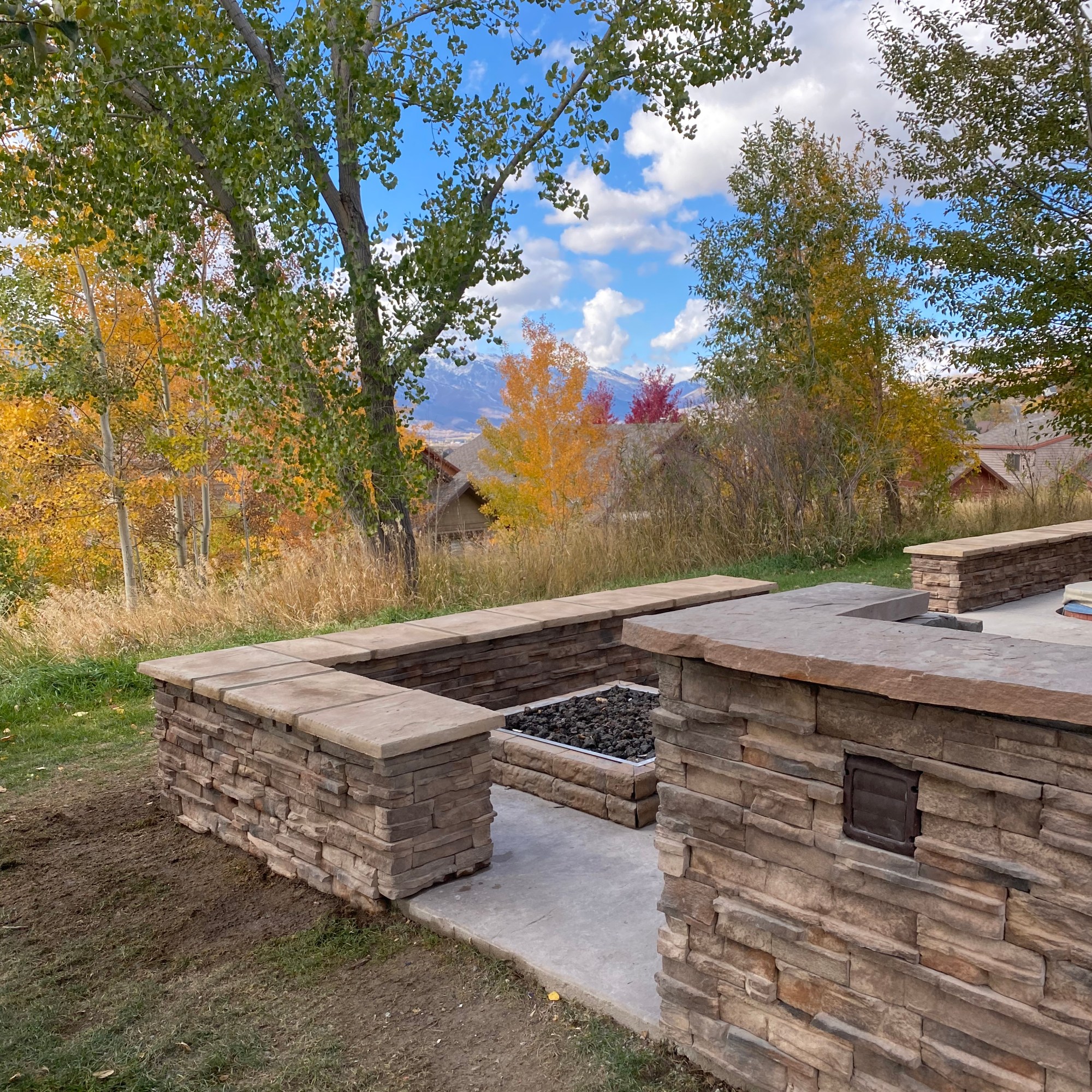
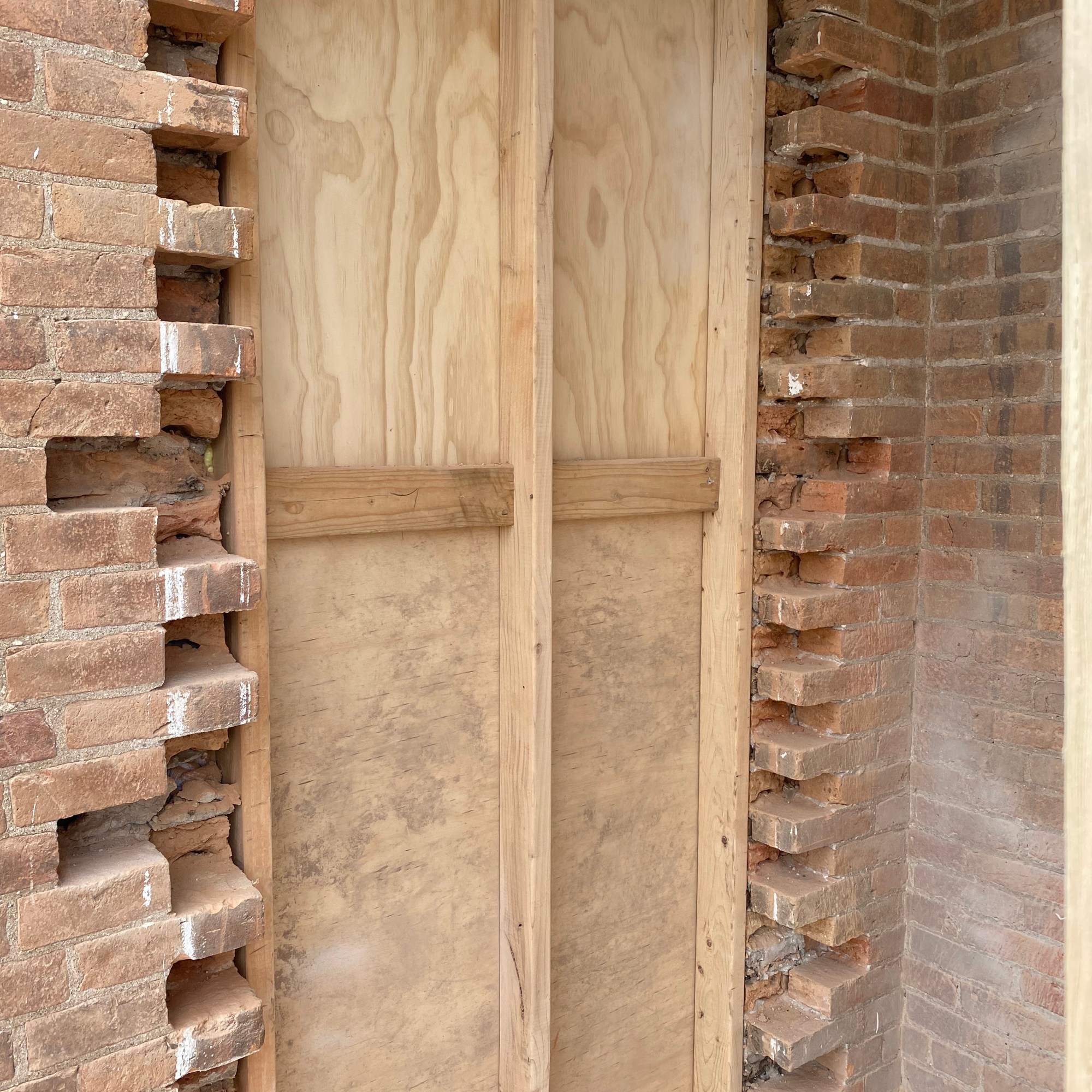
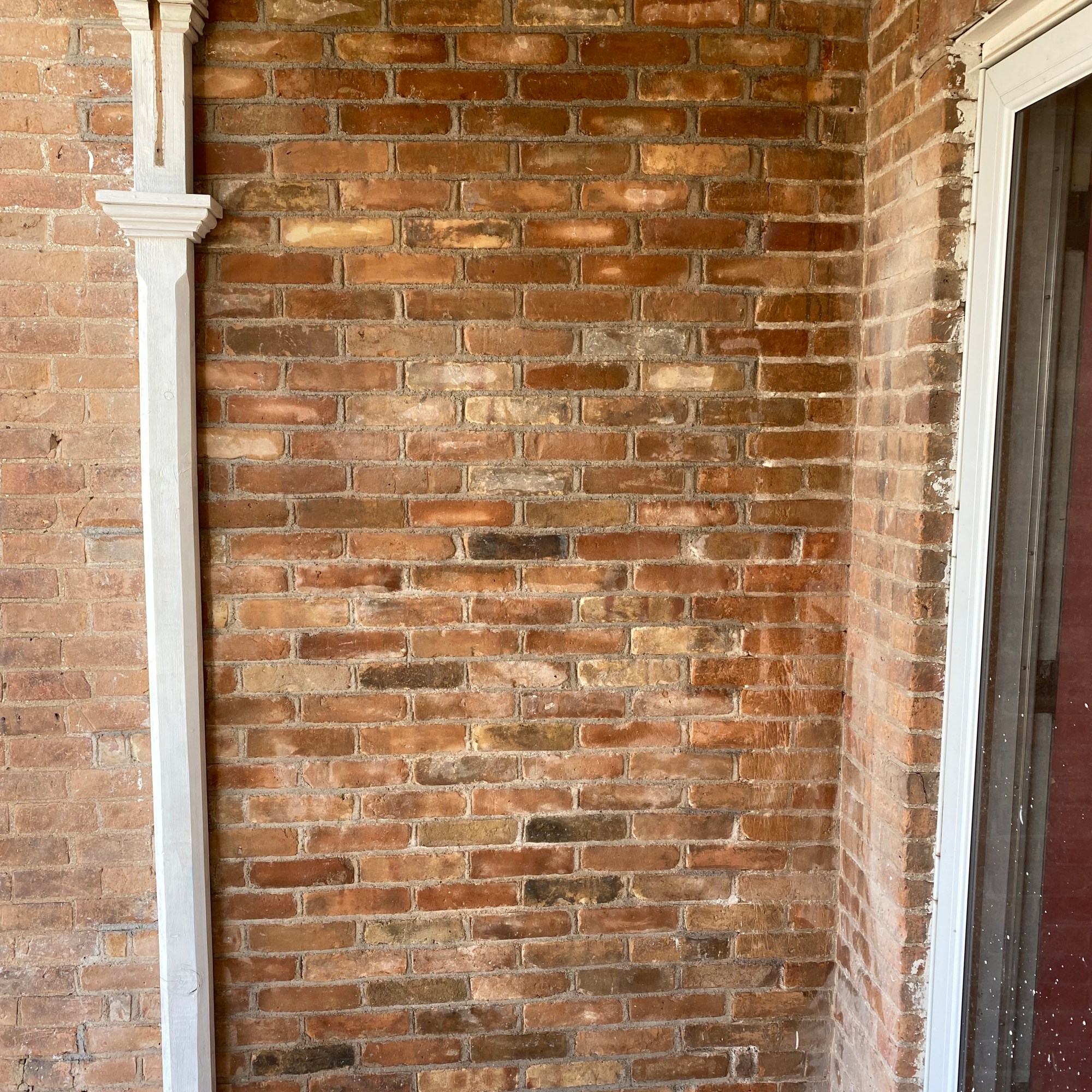
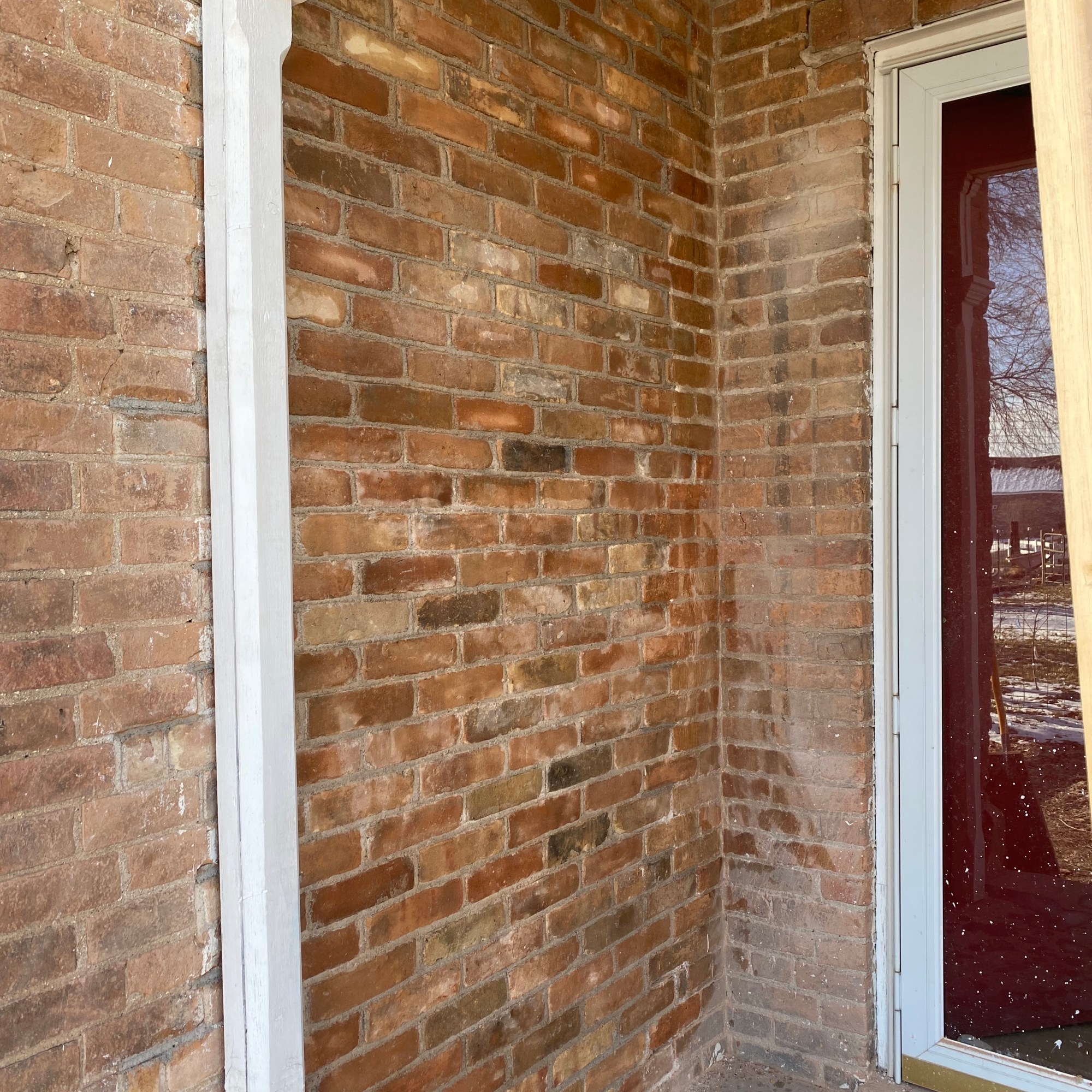
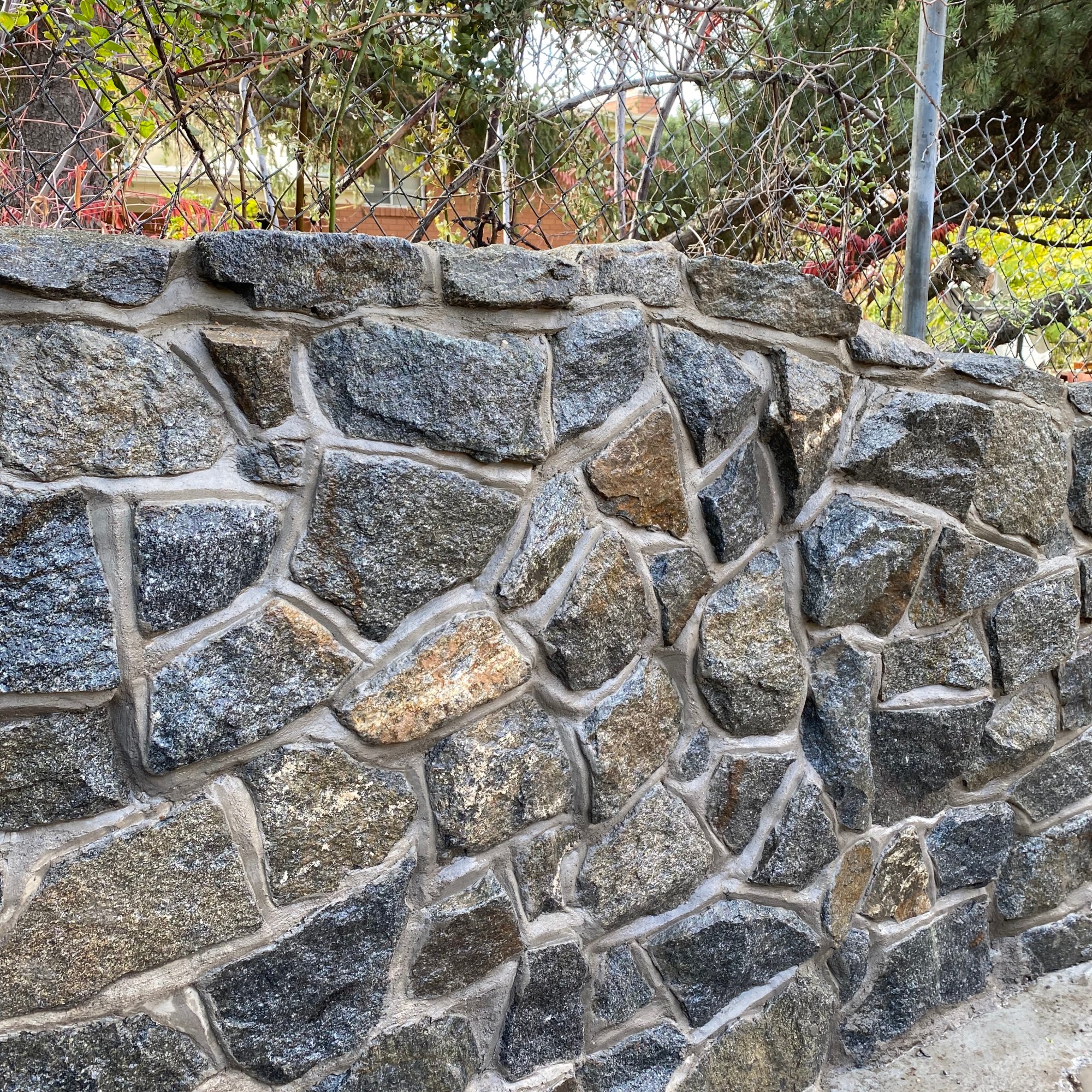
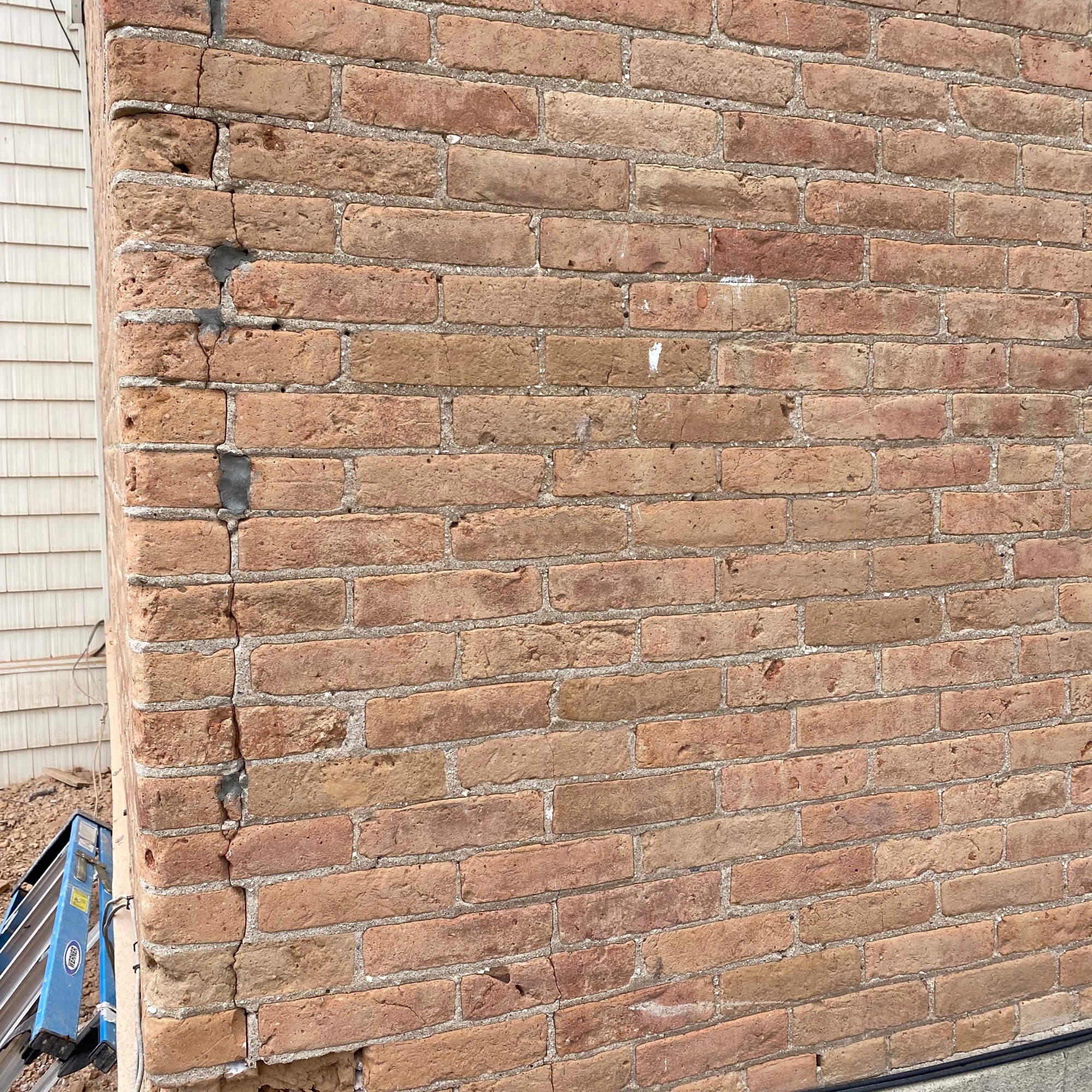
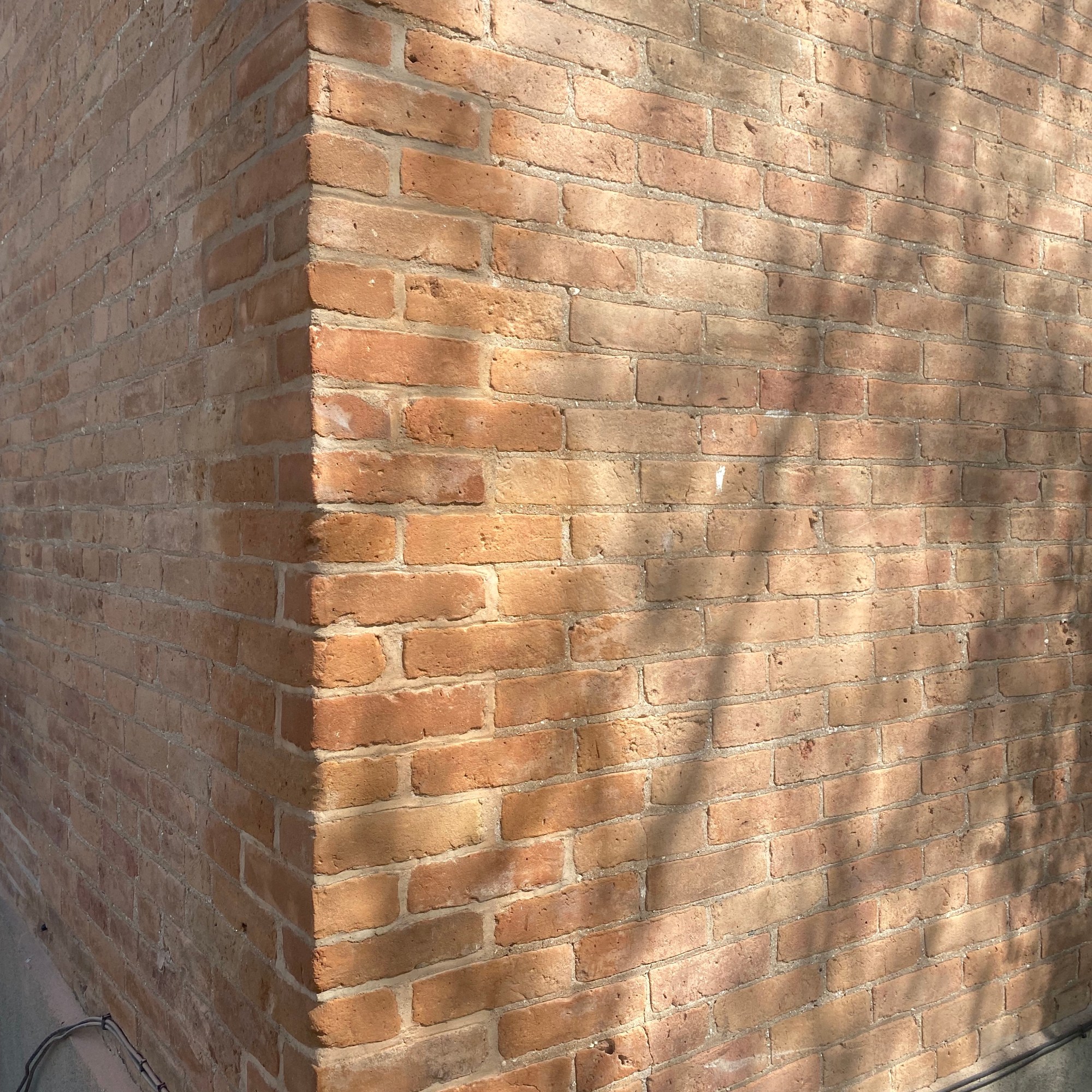
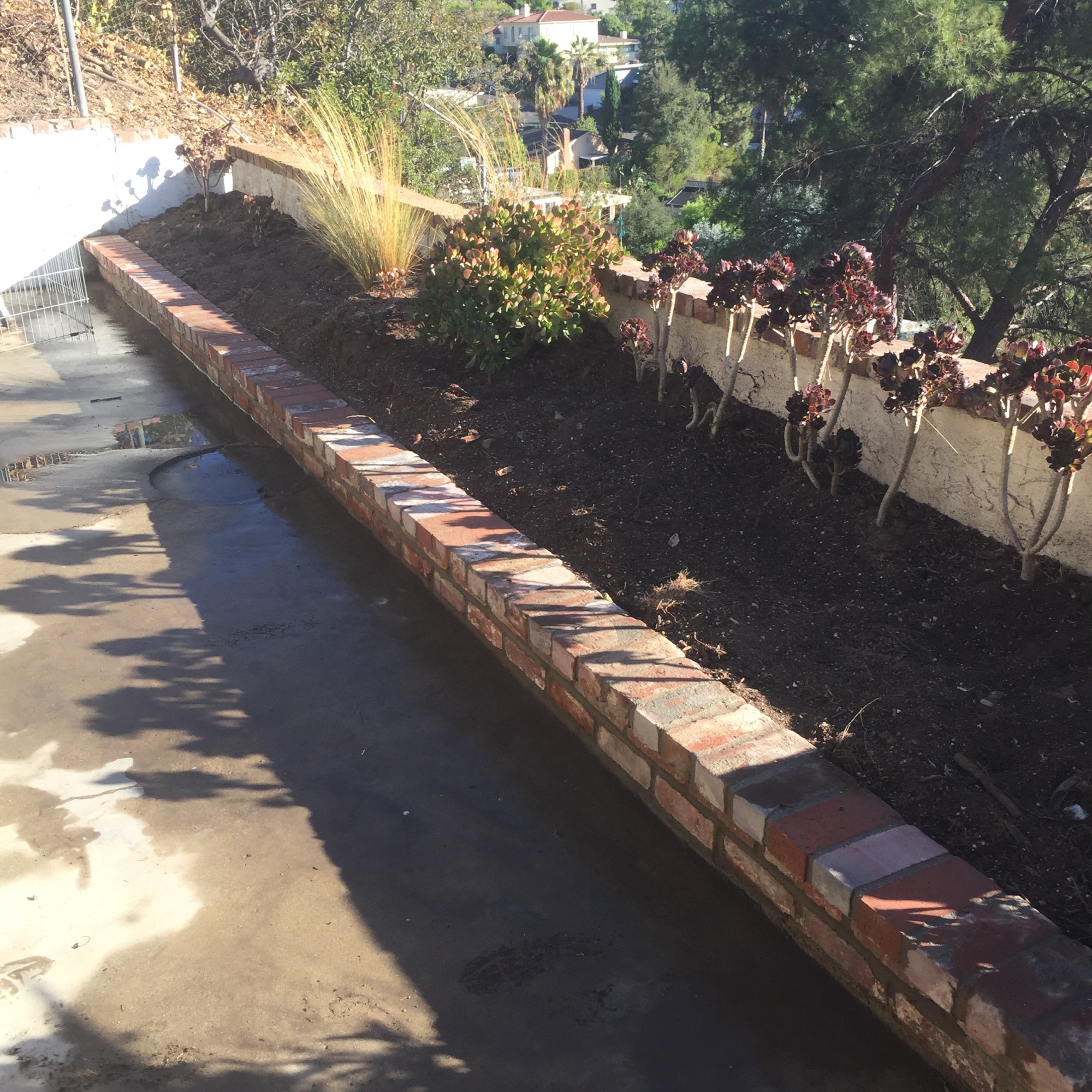
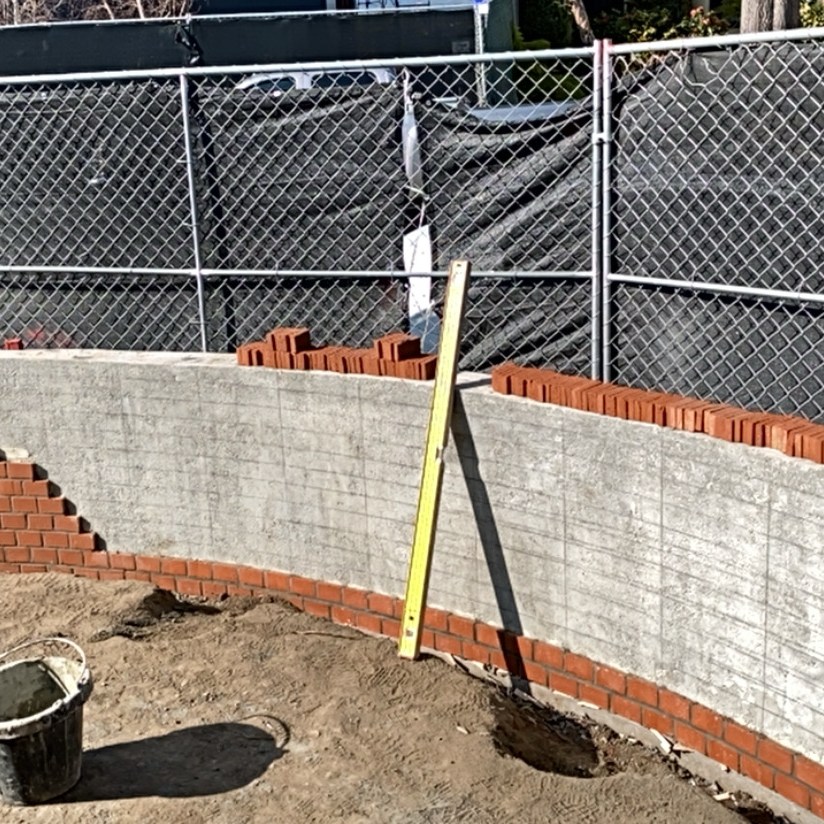
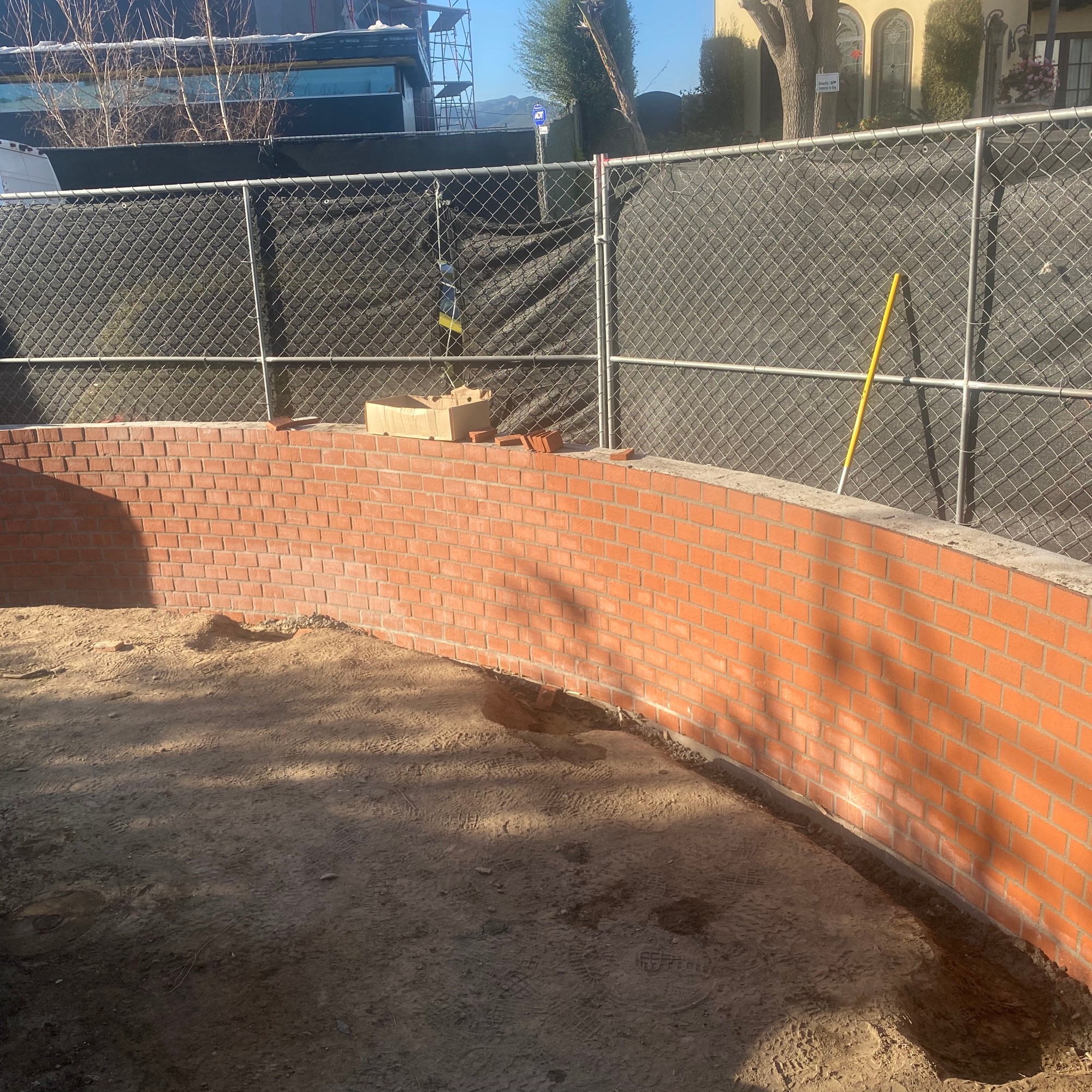
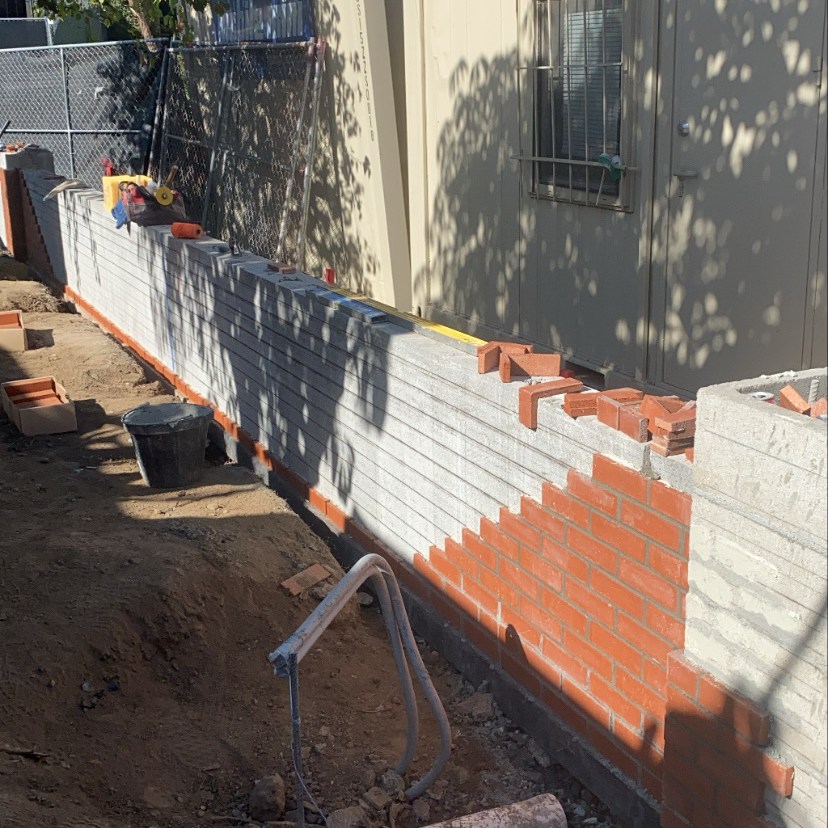
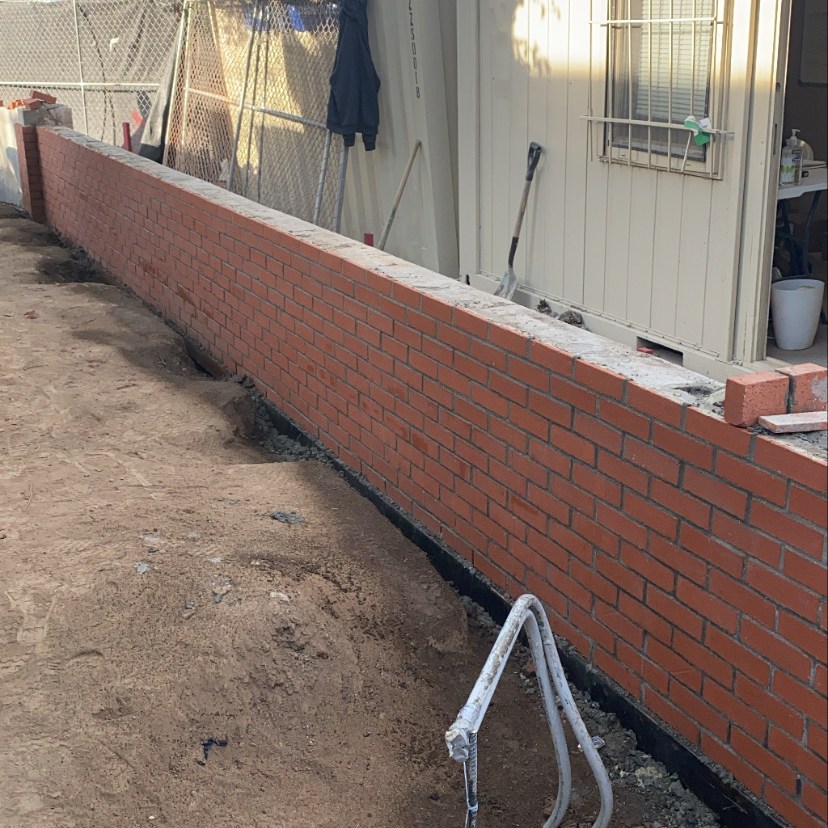
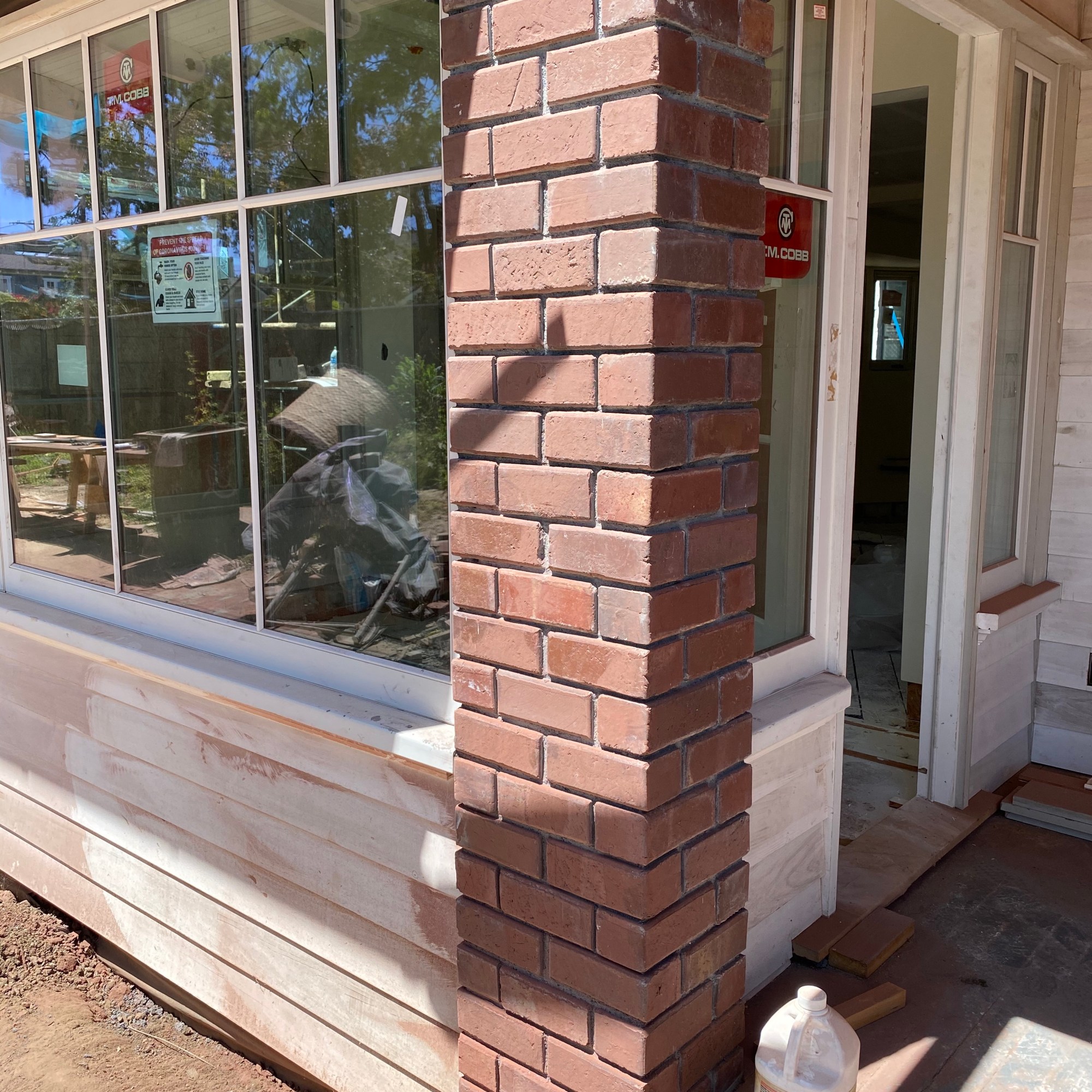
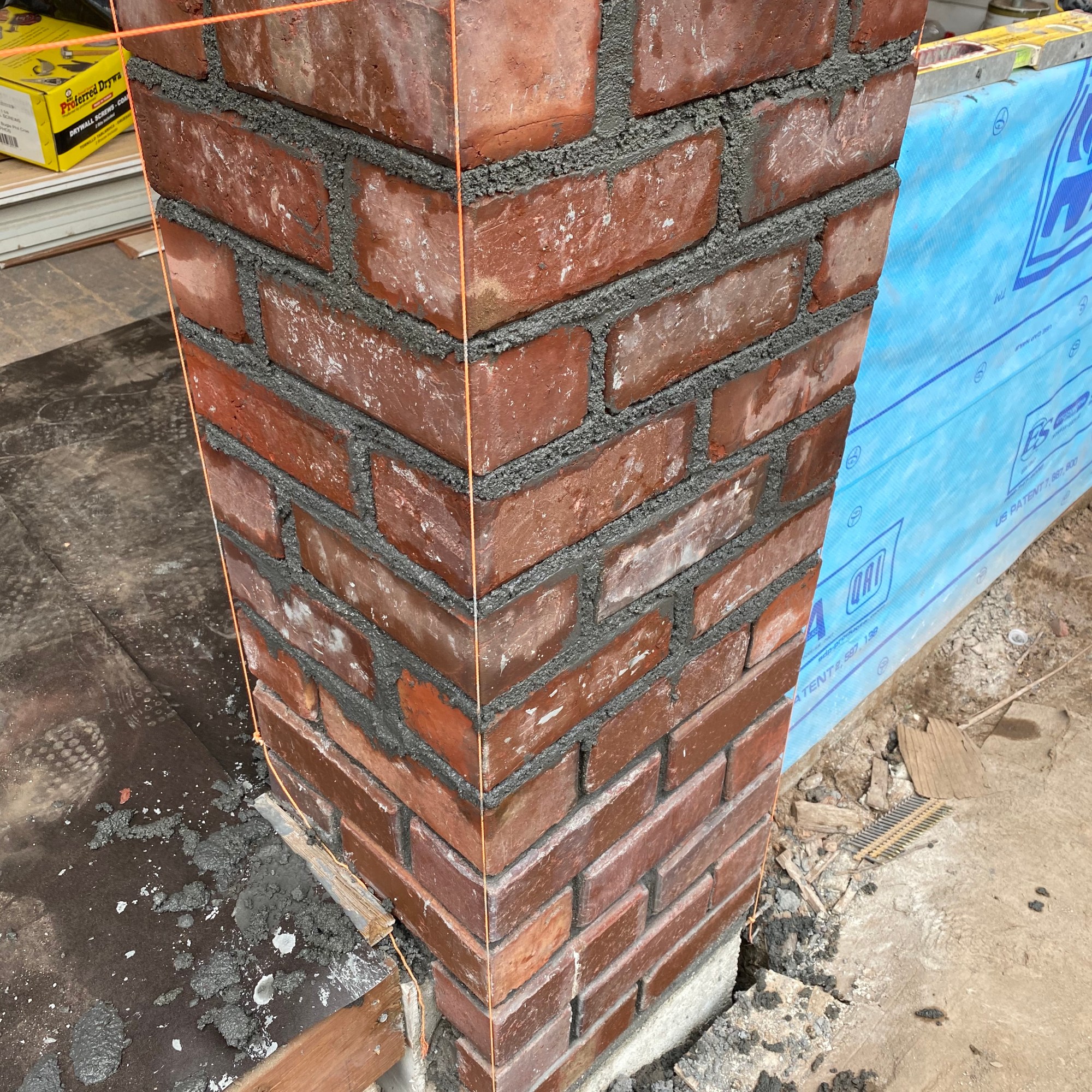
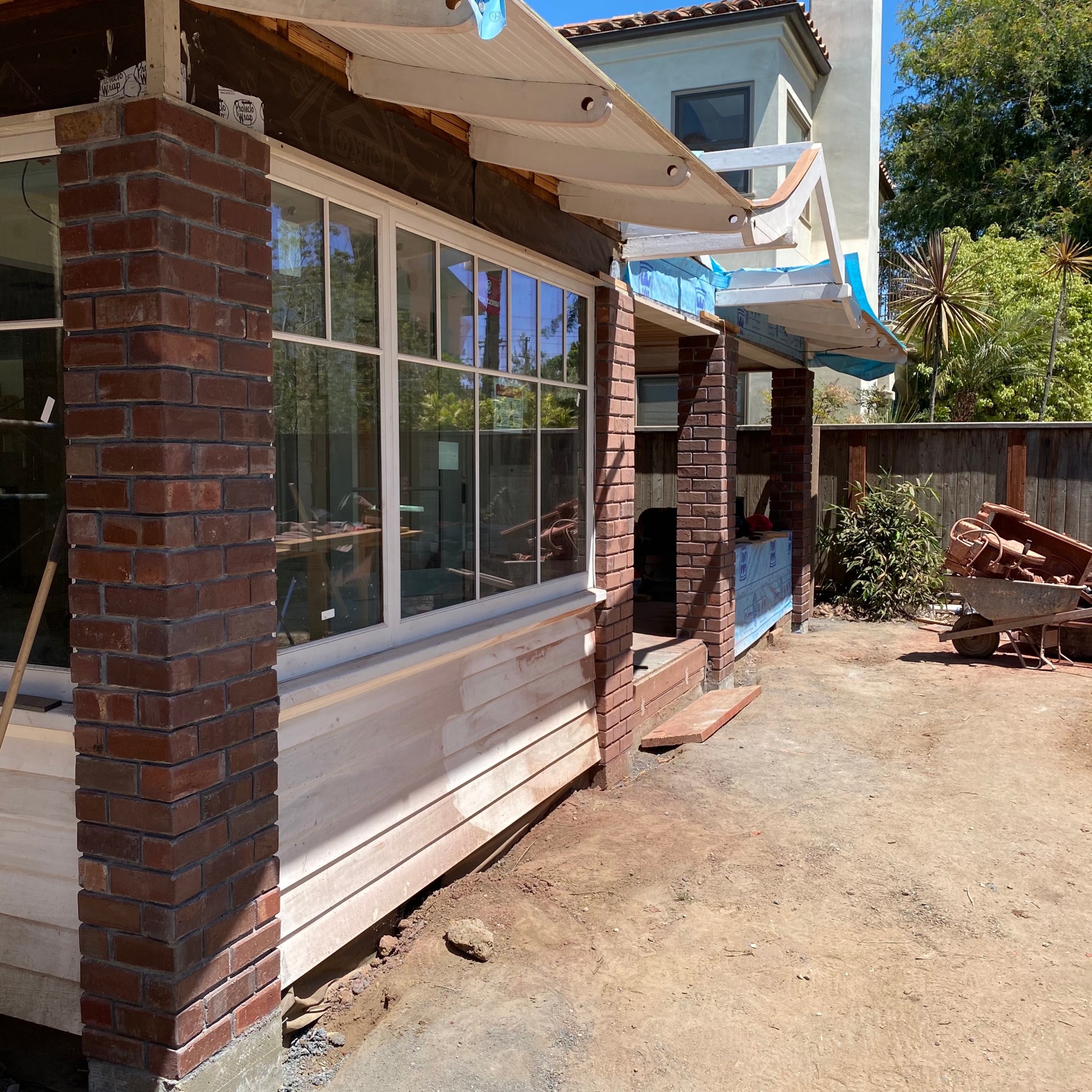
Once the block portion of the wall has been constructed, the facing and cap options listed above are available, in addition to many others. The wall may be given a veneer of stacked stone, stone facing, or brick. Another common option is to have the wall finished in smooth or rough colored stucco, which can be made to match the color of the residence quite closely, giving a cohesive look to the entire project.
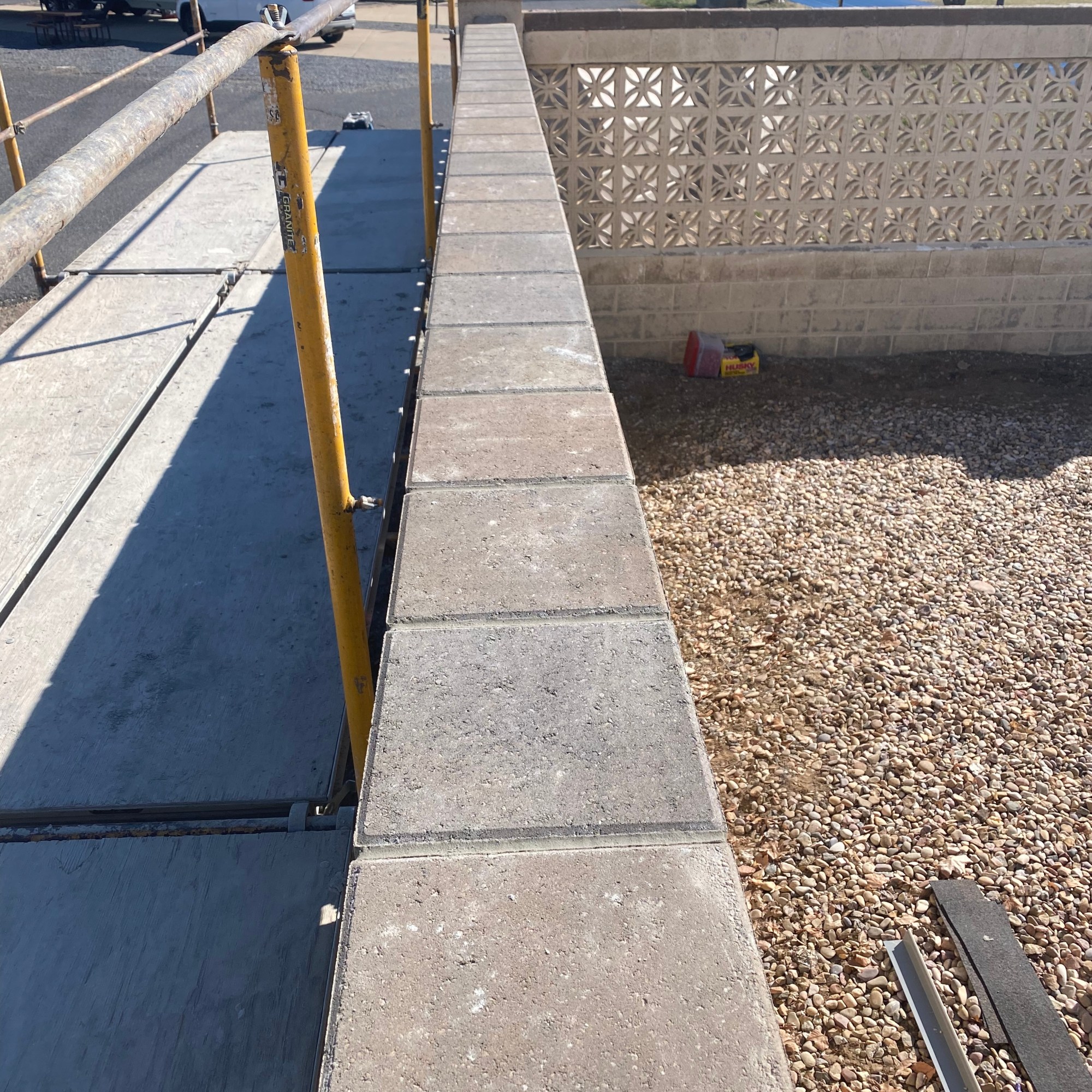
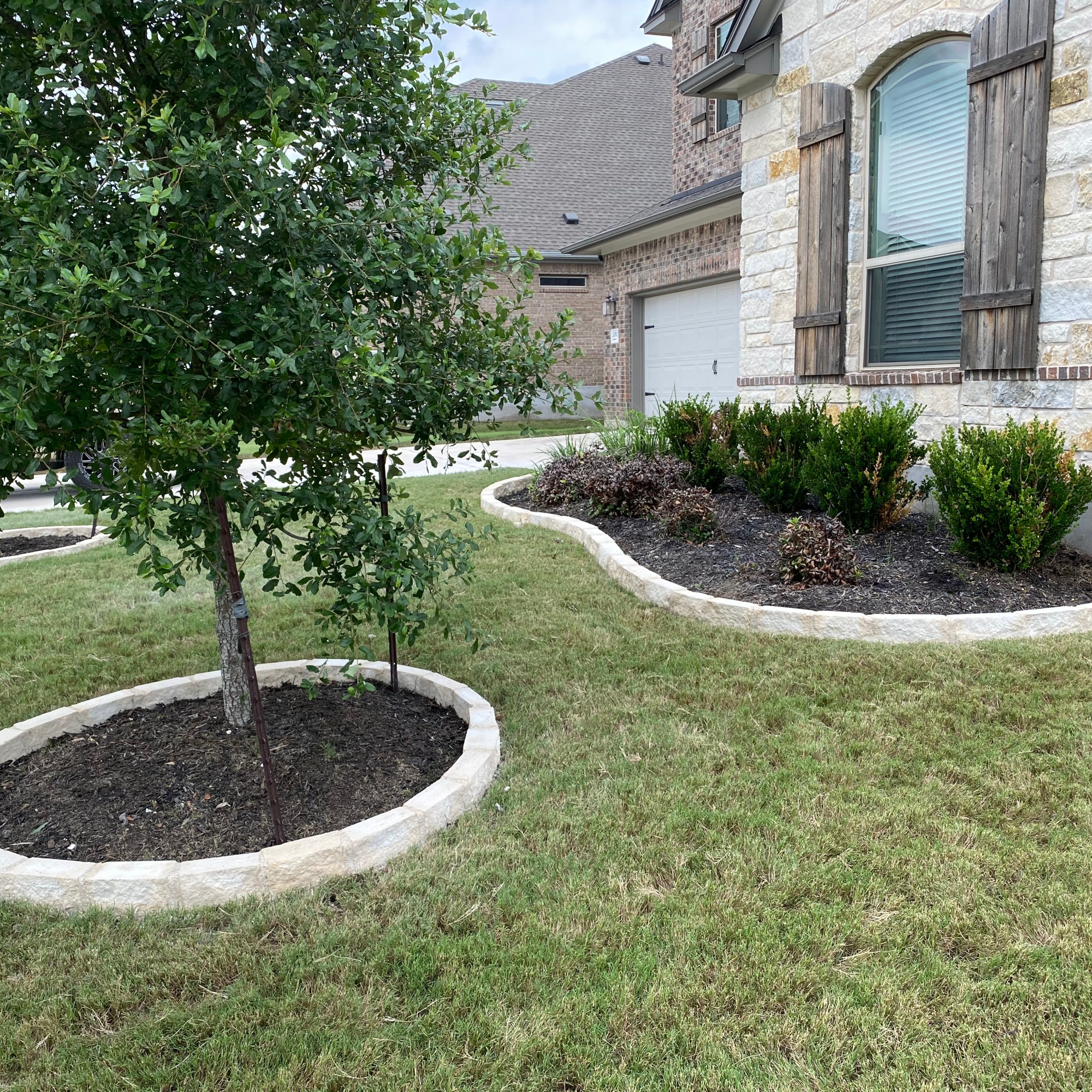
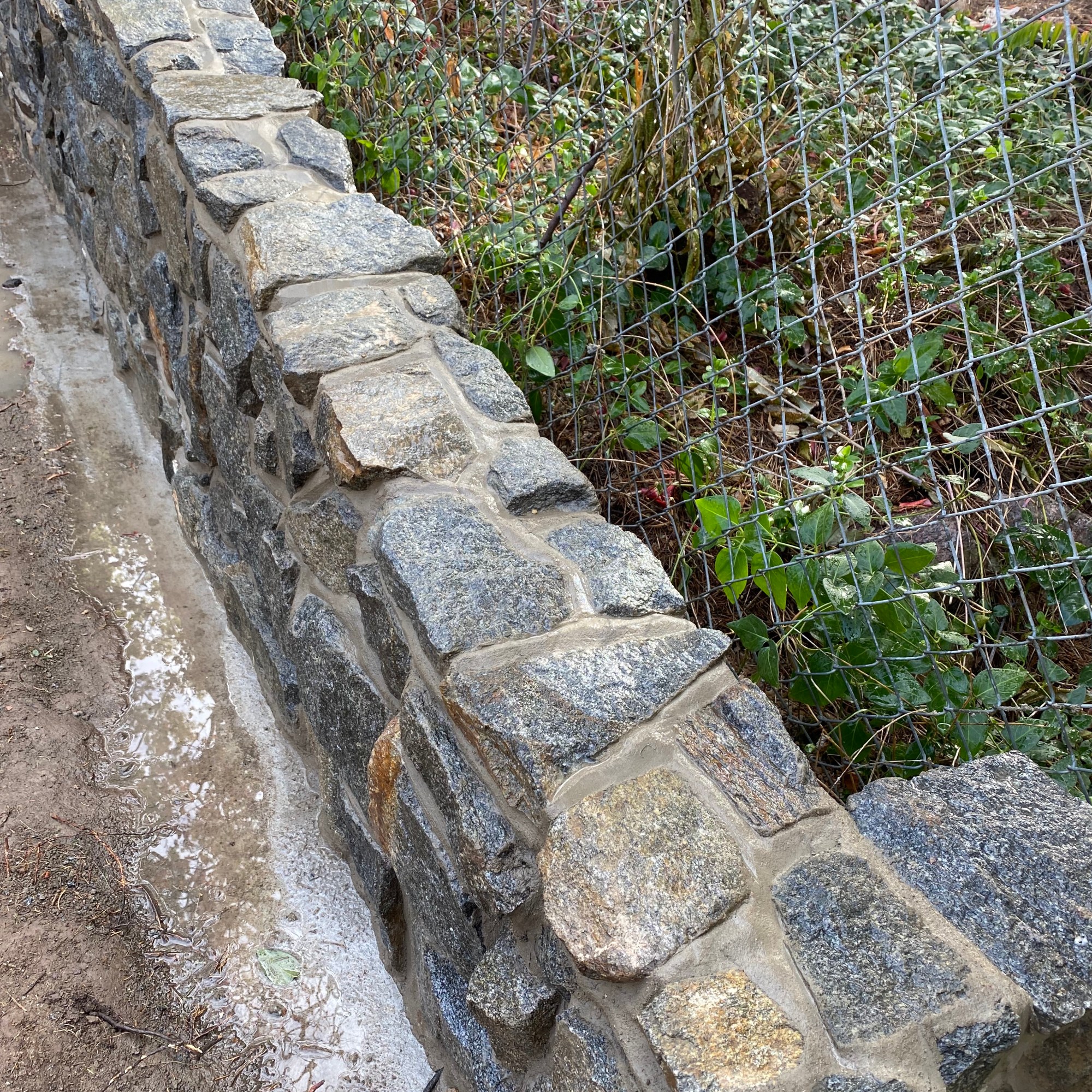
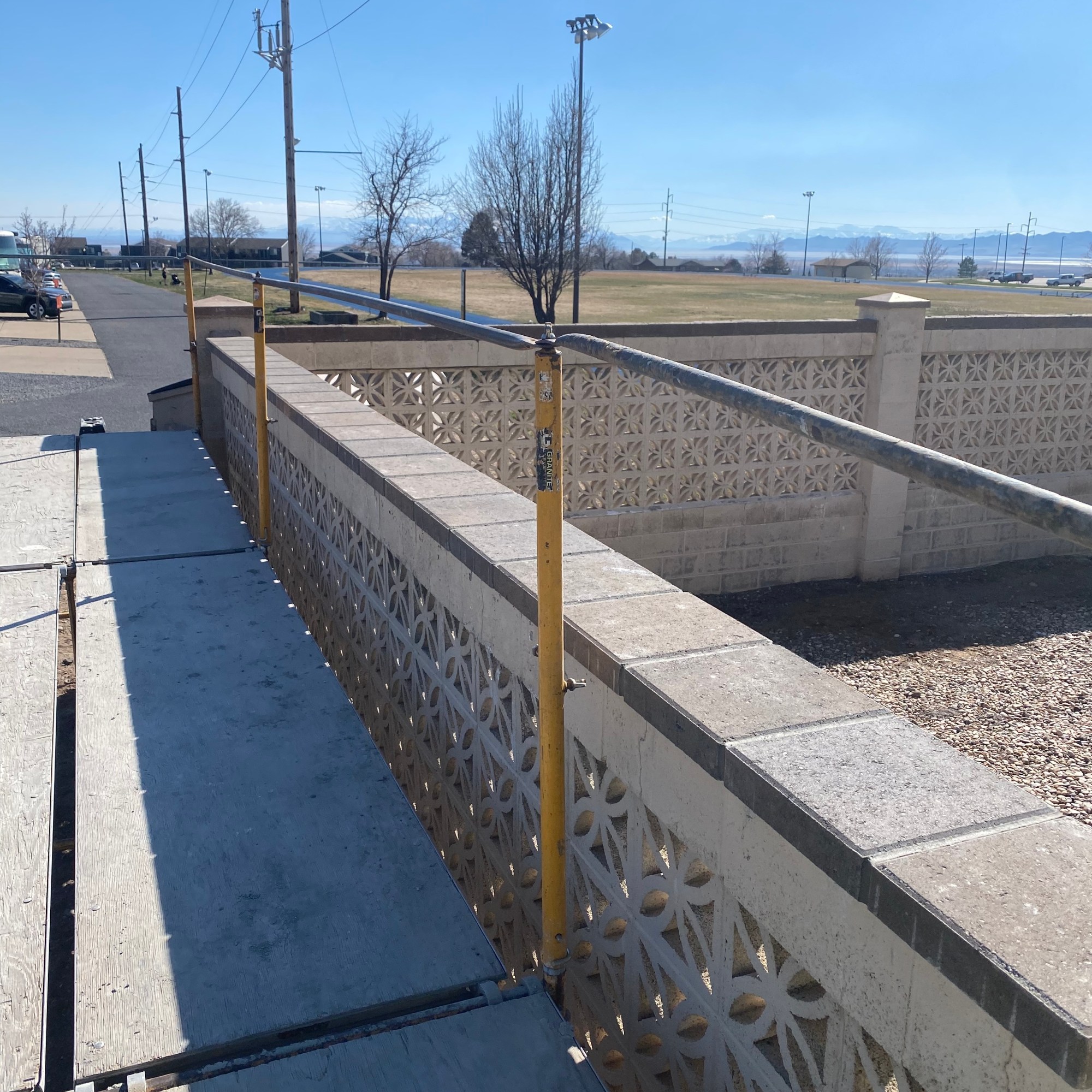
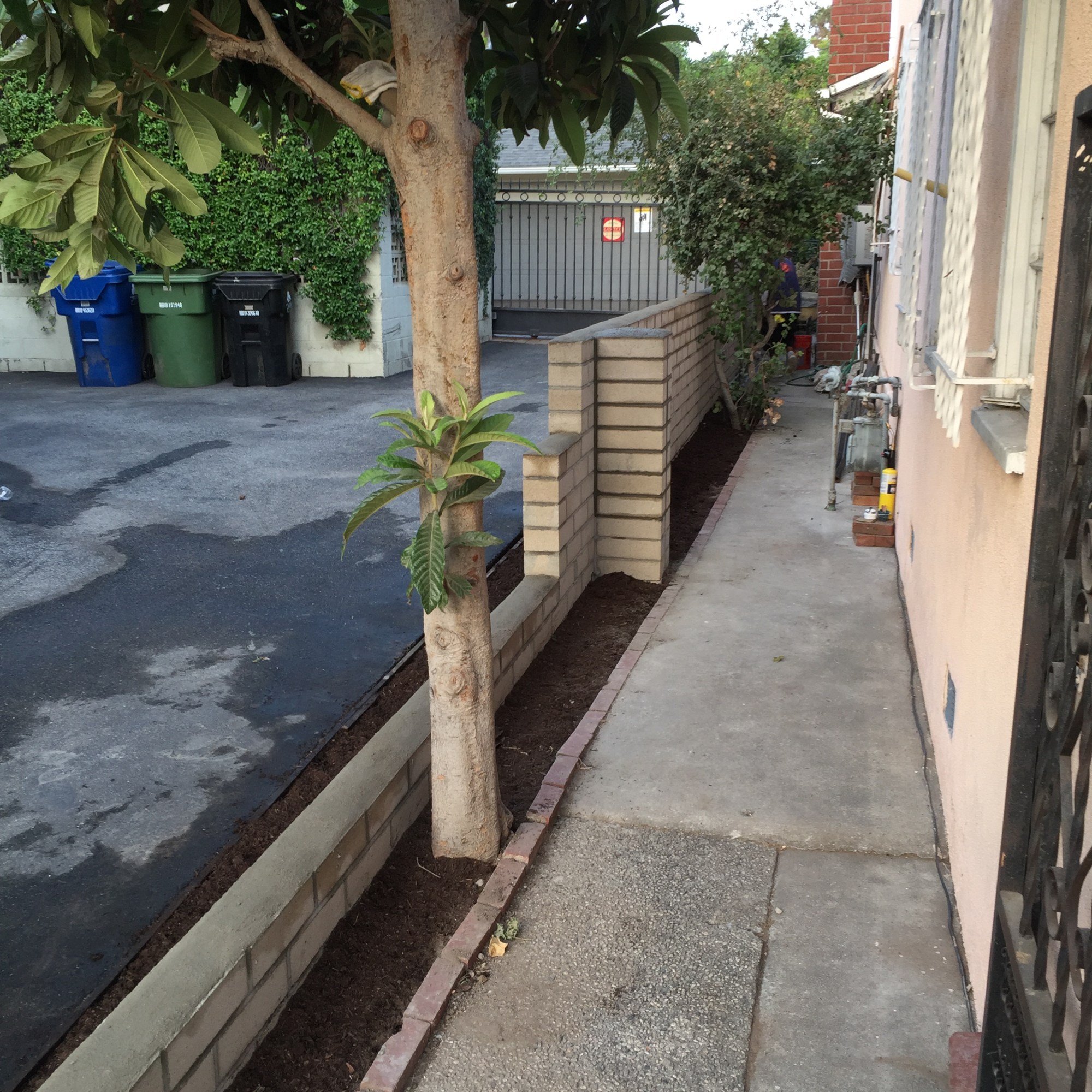
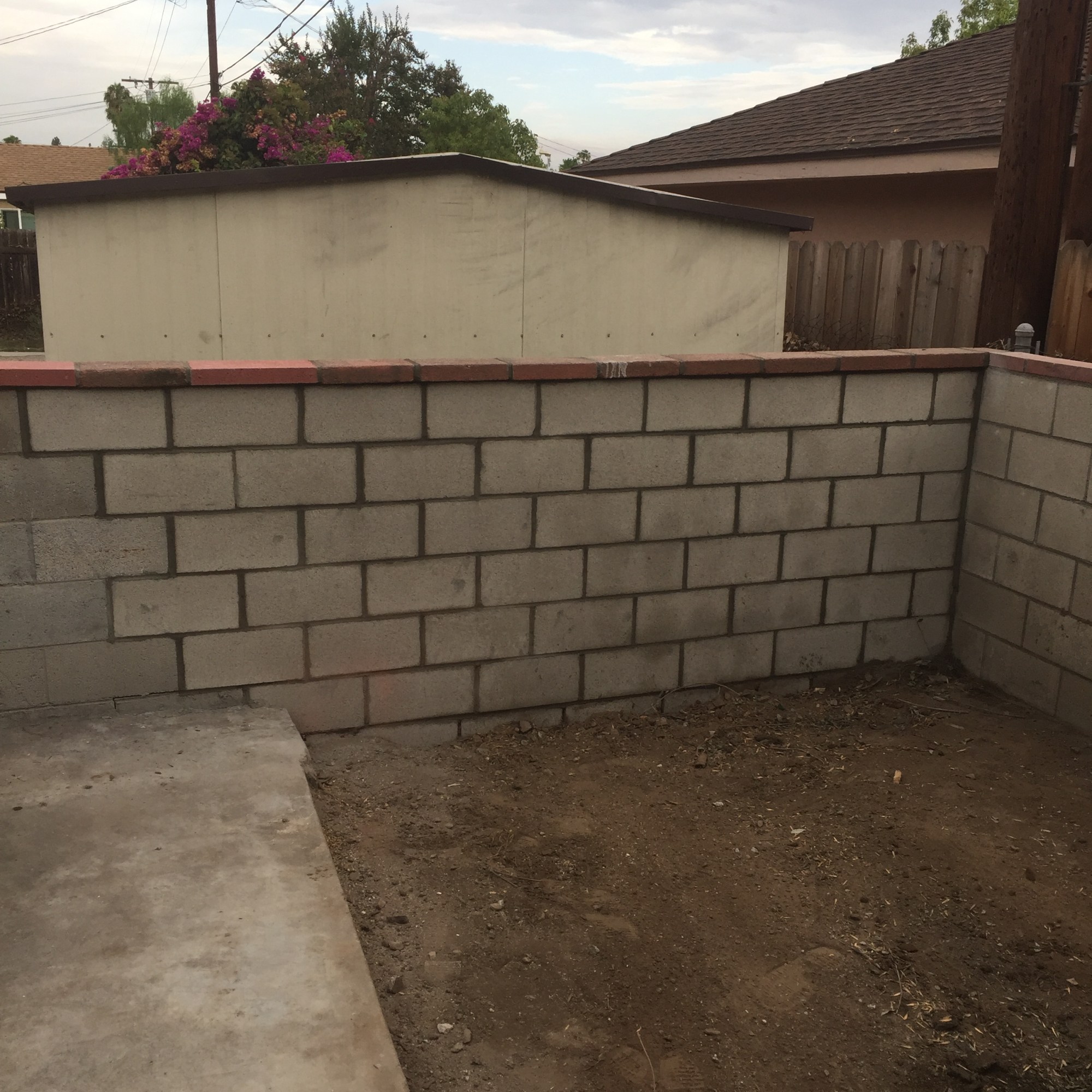
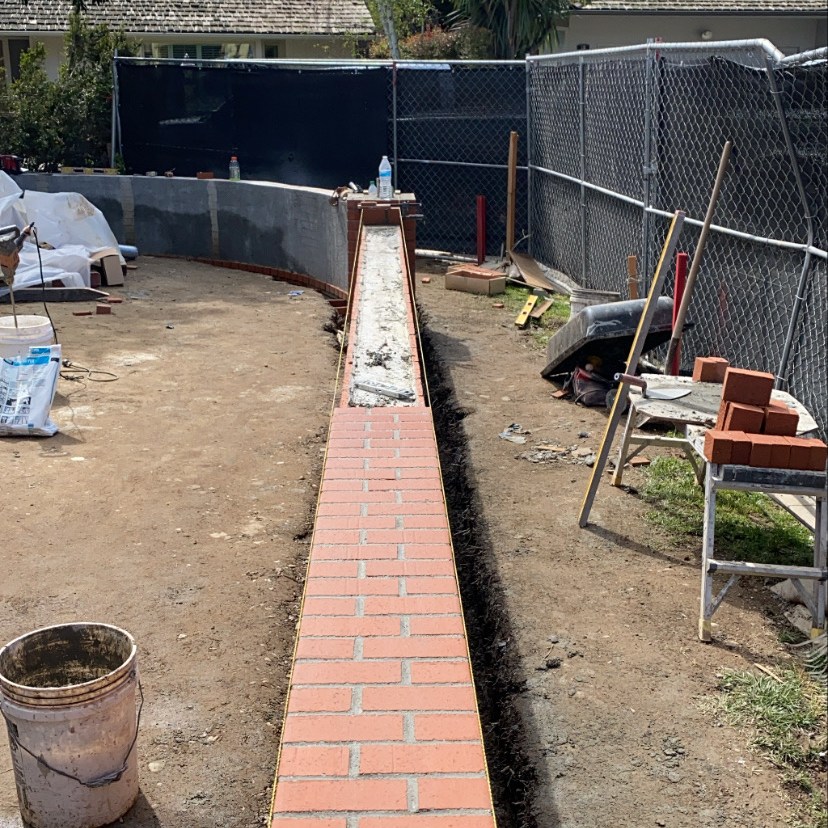
Walls can be capped with stone, brick, pre-cast concrete, or a poured in place cap. Stone caps, like other flat work, can involve cutting the stone into regular finish shapes, or the stone can be left in its natural shape (with rough, jagged edges.) Brick can also be used as a wall cap. Pre-cast concrete caps are fabricated off-site by pouring concrete into a mold. Pre-cast concrete caps come in a variety of shapes.
Freestanding Walls
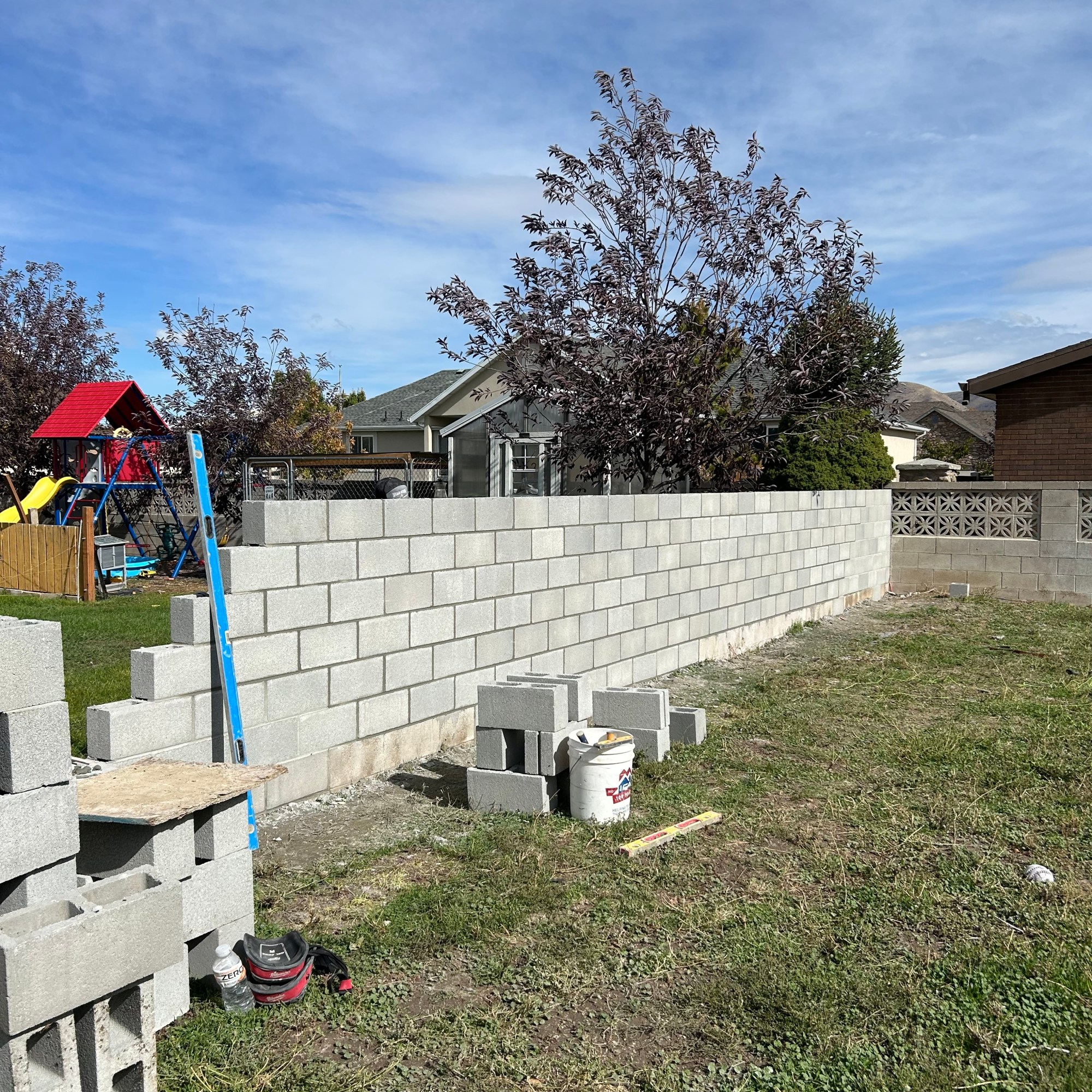
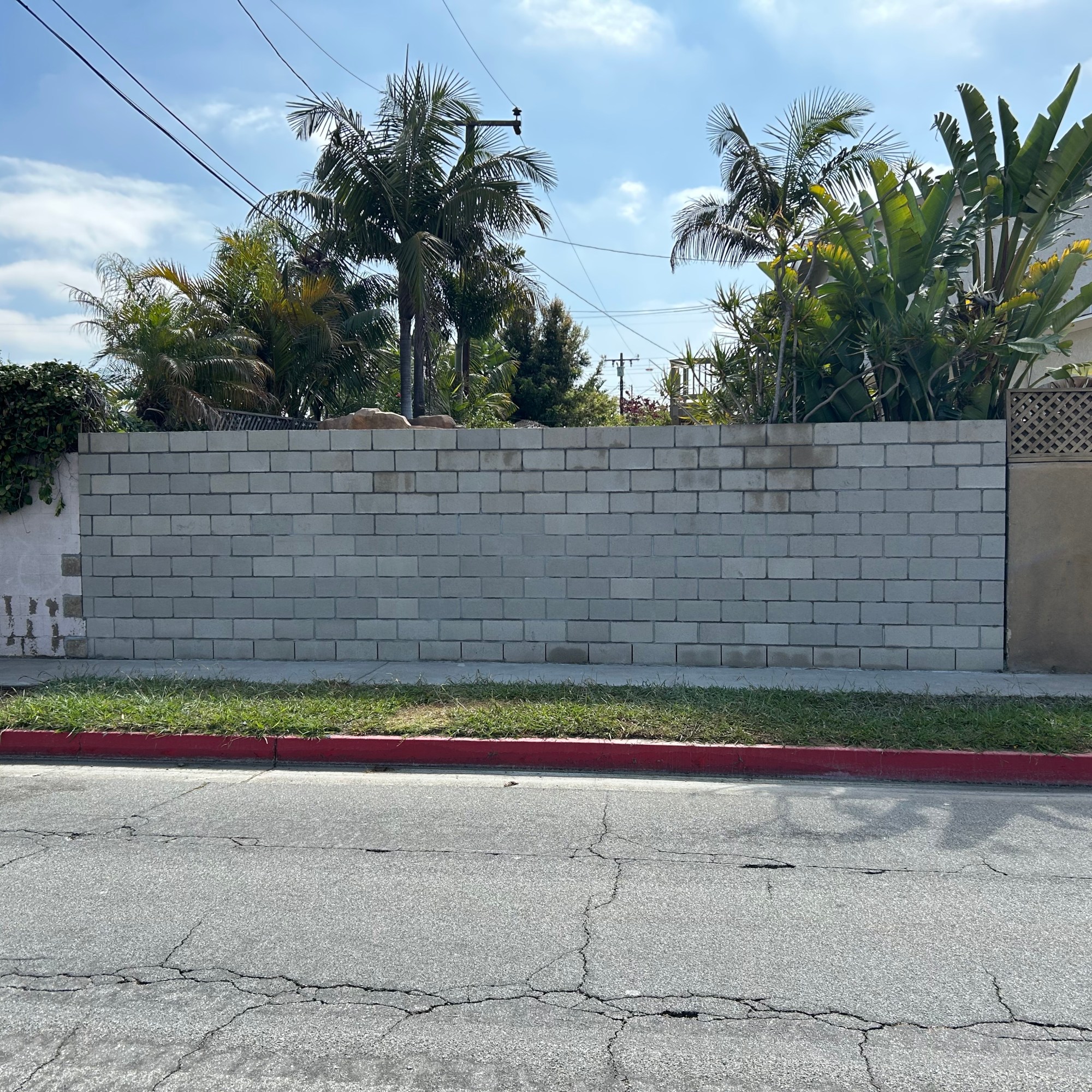
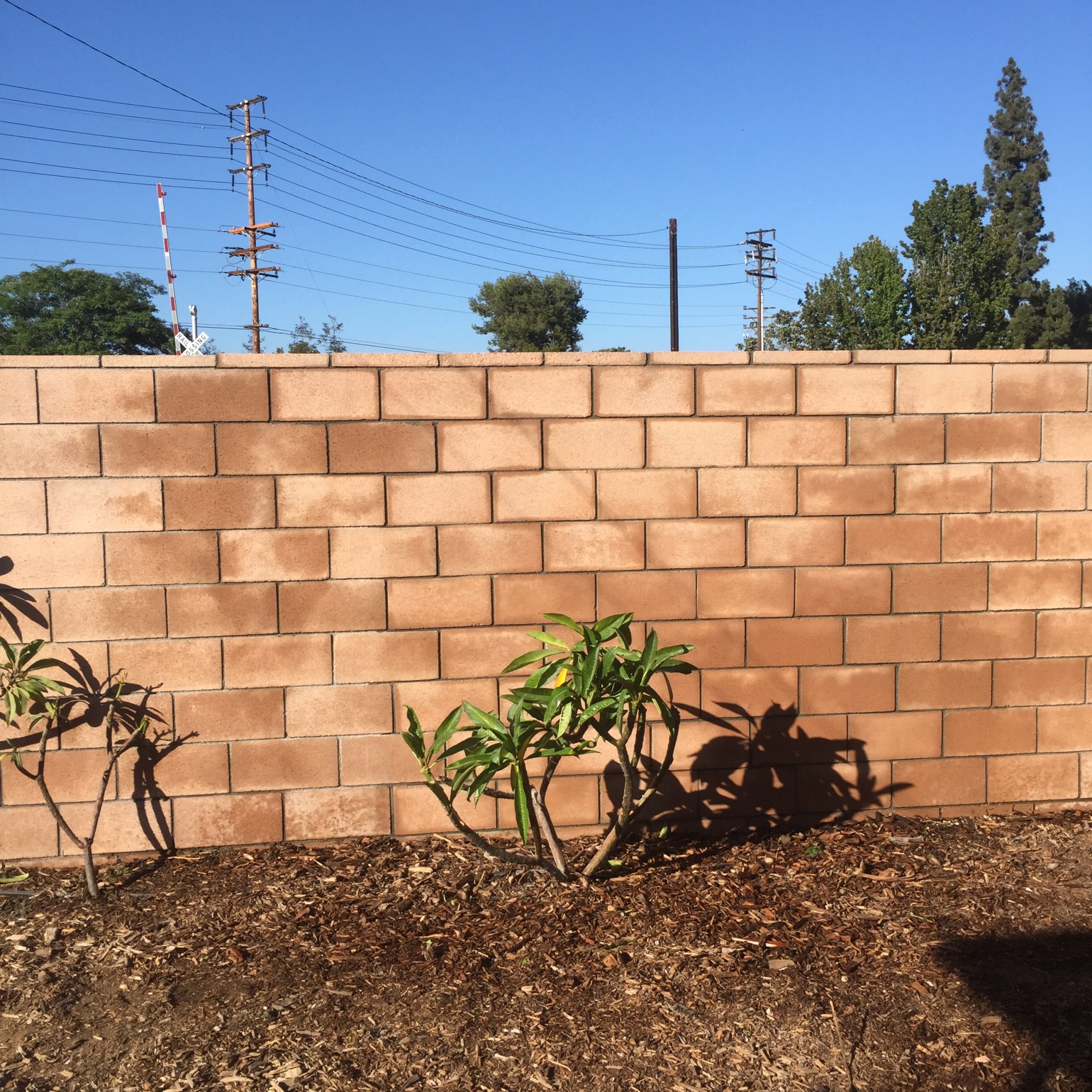
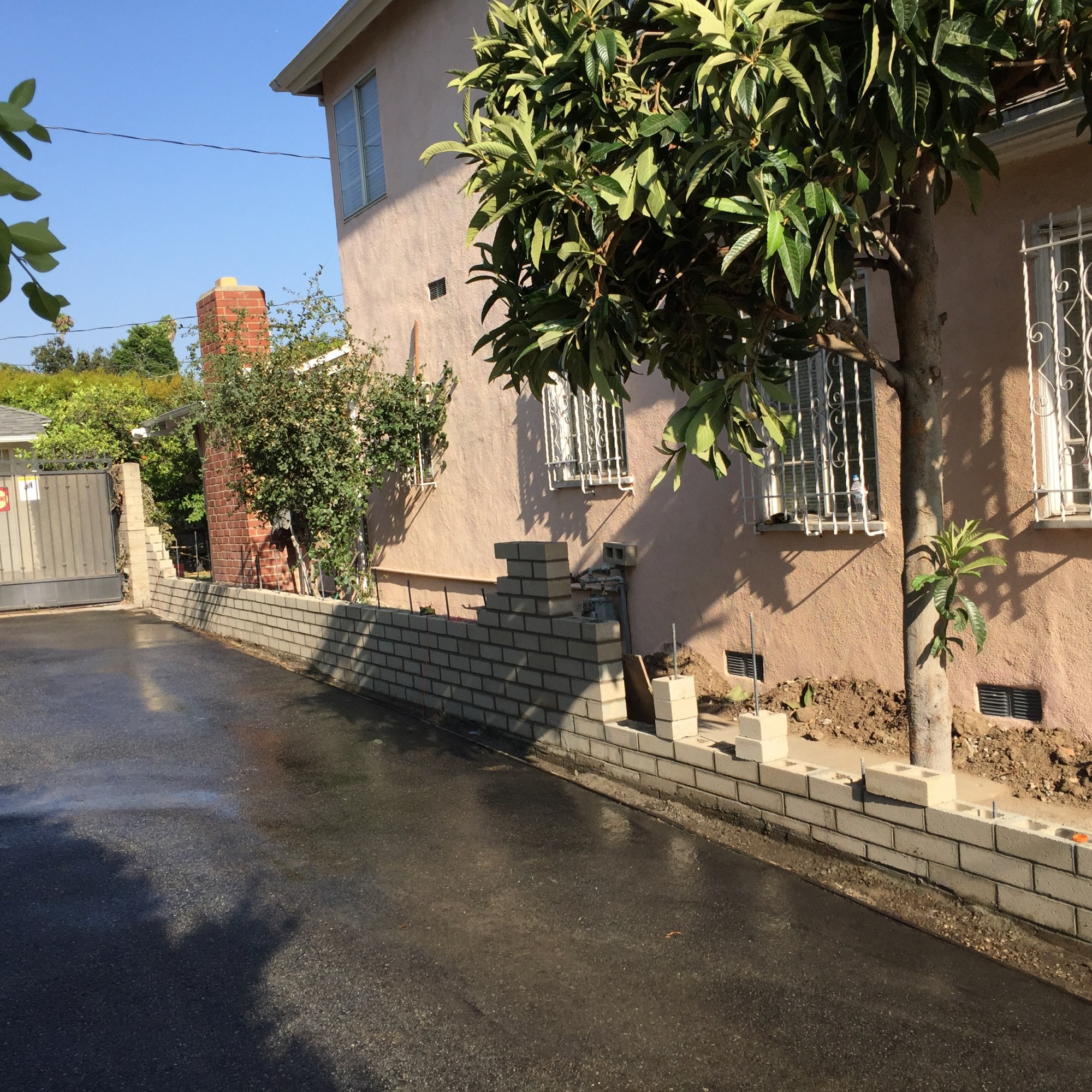
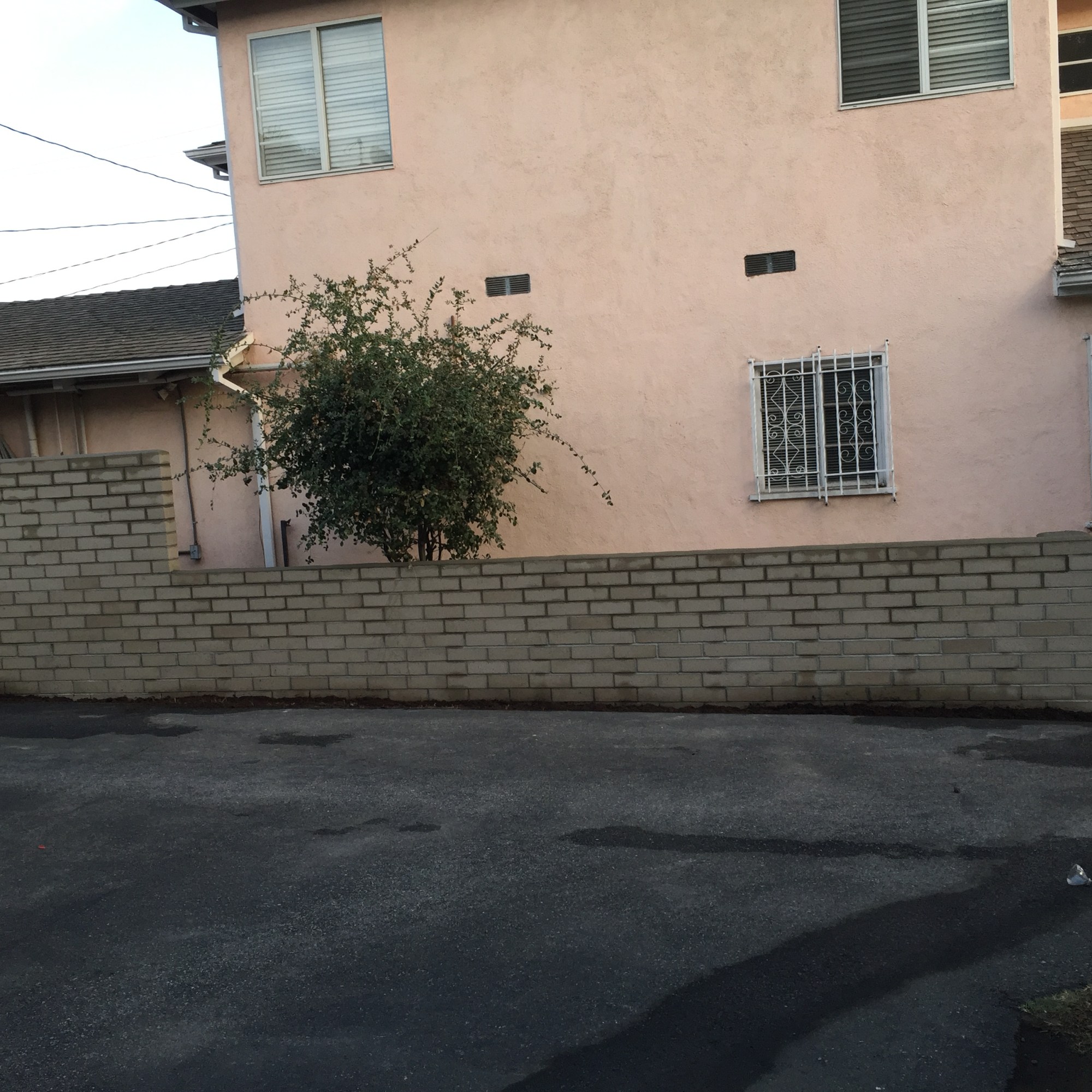
Freestanding walls, such as decorative garden walls, or property line walls that don’t retain any soil are constructed with a more shallow footing, and often utilize thinner rebar than those that retain soil. Once the wall is constructed, it can be finished with any number of decorative treatments, such as stucco, stone, or brick.
Contact Us
MWilliamMasonry@gmail.com
(801) 920-9619
 M William Masonry